
Ania Piasek
June 26, 2026
This is my third cup of tea today.
I can place it on the table, enjoy its warmth, and move on with my day without giving it a second thought.
For most of my life, that simple act meant nothing.
Today, it feels different.
Every sip carries the memory of someone I met thousands of kilometers away in the tea gardens of Bangladesh. Every cup reminds me of a number I cannot forget:
23 kilograms.
For tea plantation workers in places like Sreemangal, 23 kilograms of tea leaves is the minimum amount that must be collected each day to receive a full, daily wage — 170 BDT ($1.4).
At first, it sounded like a statistic. I expected to document working conditions and gather insights. I didn’t expect a single number to stay with me long after I left.
Then I met the people behind it.
And the number stopped feeling abstract.
When a Number Defines a Life
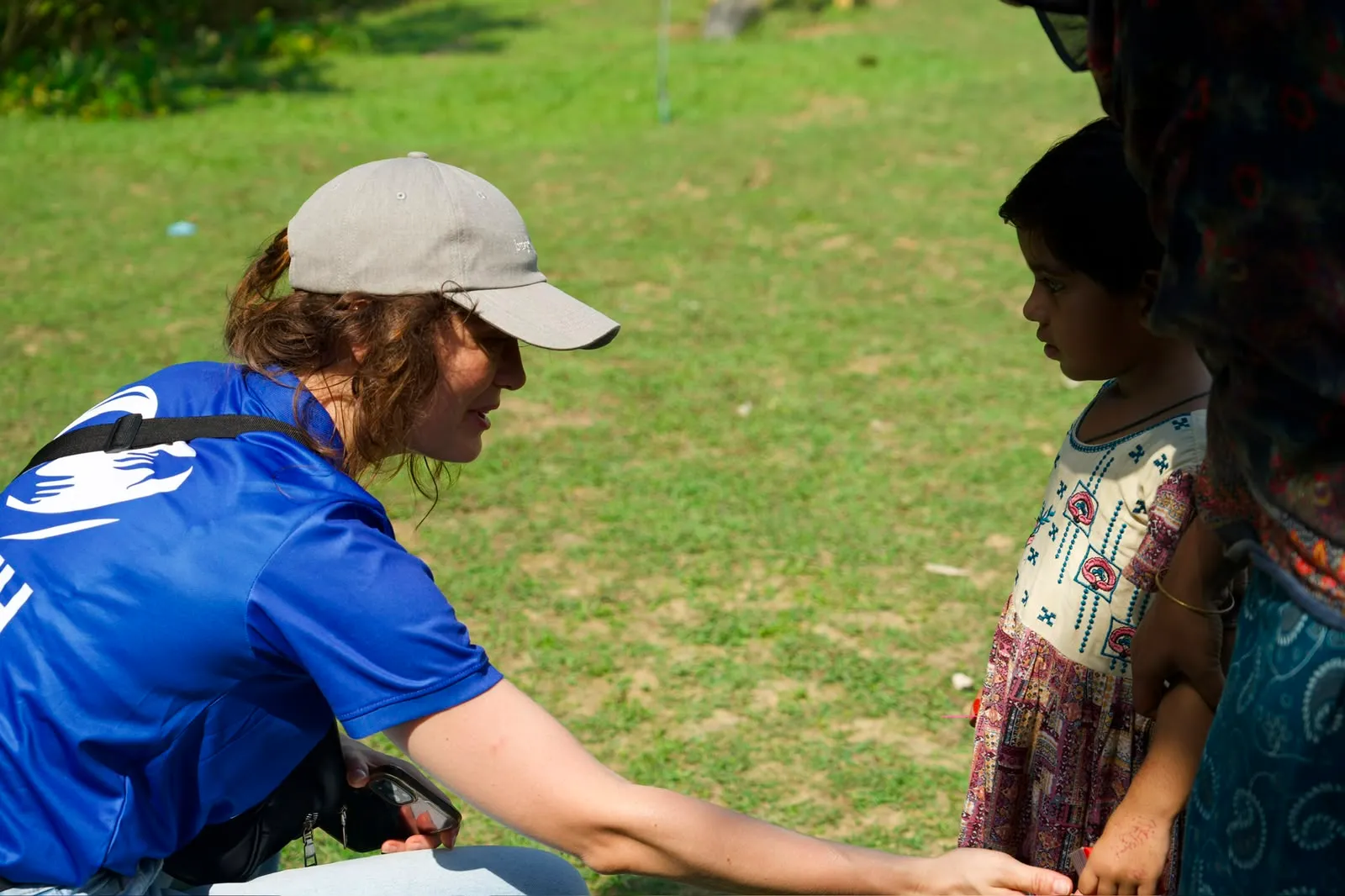
At the end of 2025, I traveled to the Sylhet region of Bangladesh as part of the HITH Foundation’s team.
Together, we spent time with tea plantation communities, speaking with workers, teachers, parents, and children. We listened to their stories, conducted interviews, and sought to better understand the challenges they face every day.
What struck me most was how a single number could shape an entire life.
Twenty-three kilograms is not simply a daily quota.
It determines whether a family earns enough income. It influences whether children spend their day in school or help their parents meet production targets. It affects what families can eat, how they live, and what opportunities may exist for the next generation.
The People Behind the Leaves
When people think about tea, they often think about comfort.
A morning routine.
A conversation with a friend.
A quiet moment at the end of a long day.
Very rarely do we think about the people who make that experience possible.
I met women who spend long days moving through the tea gardens, filling baskets with leaves under the heat and pressure of daily quotas.
I spoke, in broken English, with a stooped and exhausted man who told me about his three children. Two of them were already working alongside him and his wife on the plantation. What stayed with me wasn’t just what he said, but how normal it sounded — like there were no other options.
I clearly remember children whose dreams were remarkably similar to those of children in “my world”. When we asked what they wanted to be when they grew up, their answers were not unusual: a teacher, an officer, a doctor. What was unusual was how difficult the path toward those dreams would be.
Behind every bag of tea are people whose stories are rarely told.
People with fears, strengths, and hopes for the future.
People whose lives are rarely considered when we reach for something as ordinary as tea.
When Dreams Become Expensive
It was the long shadow of history.
The tea plantations of Bangladesh were built during the colonial period, and many of the families living and working there today are descendants of workers who were brought to these estates generations ago.
More than 170 years later, the system remains impossible to leave.
Many families live in housing tied to the plantation, which means leaving work often also means losing a place to live. Wages are low enough that saving for relocation is nearly impossible, and access to alternative employment is out of reach. Over time, this creates a cycle where staying is not a choice, but the only viable option.
Not because people lack talent, determination, or dreams.
But because the barriers surrounding them have been reinforced over decades — through limited access to quality education, economic opportunities, healthcare, and the resources needed to build a different future.
During our conversations, one mother shared a thought that stayed with me long after I left the plantation.
Her children were afraid to dream because dreams felt expensive.
It was a simple statement, yet it revealed something profound: when survival consumes every day, imagining a different future can feel like a luxury.
Why Education Matters
Throughout our visit, one theme emerged again and again.
Education represents possibility. It represents choice.
It represents the chance for children to imagine a future beyond the circumstances into which they were born.
We spoke with teachers who continue showing up every day despite immense challenges. They earn the equivalent of just $10 per month, yet they remain committed to educating the next generation. Working under such conditions inevitably affects morale and limits what even the most dedicated educators can achieve.
But education, in this context, is not only about what happens inside the classroom.
It is also about what happens beyond it.
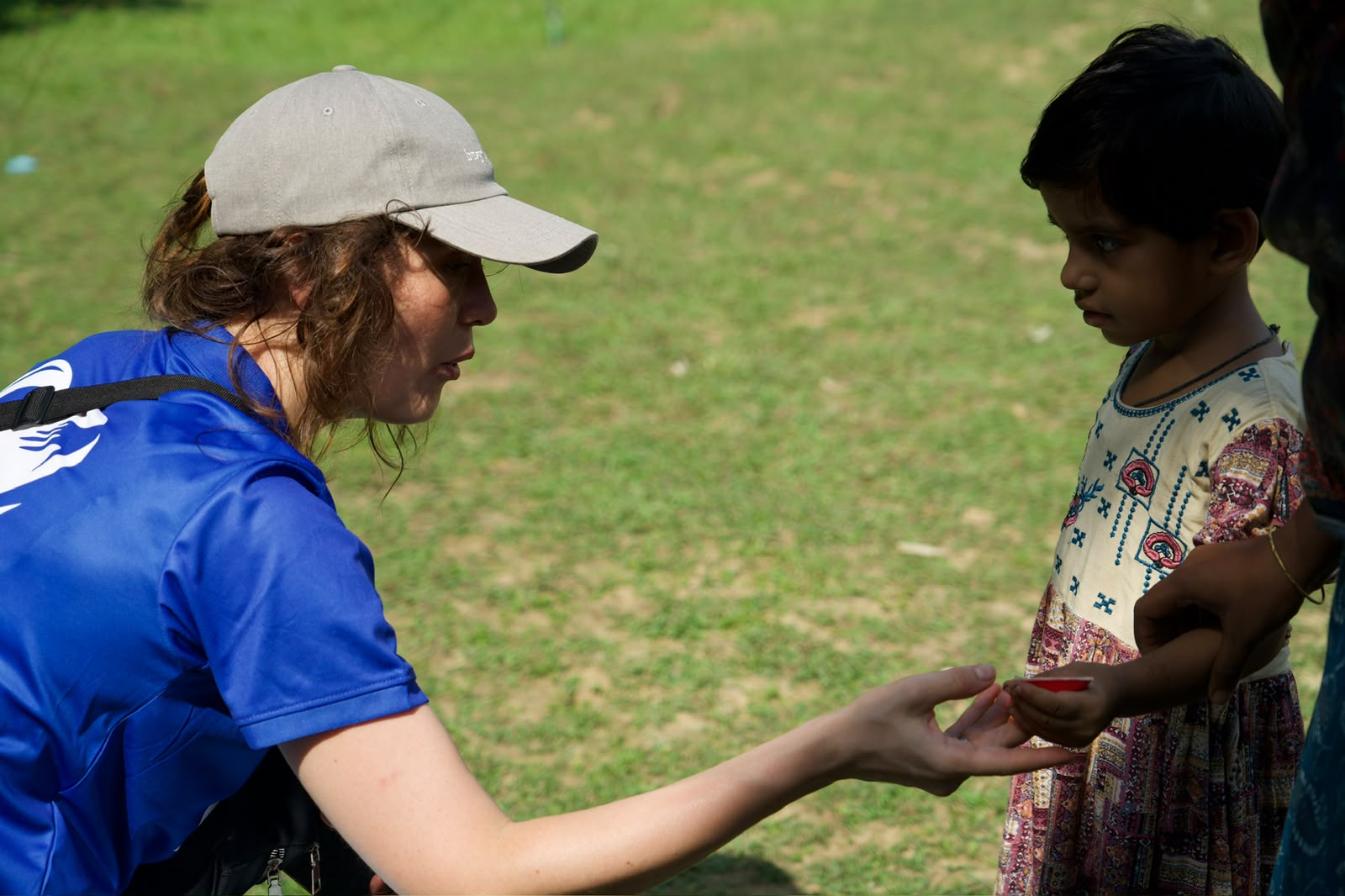
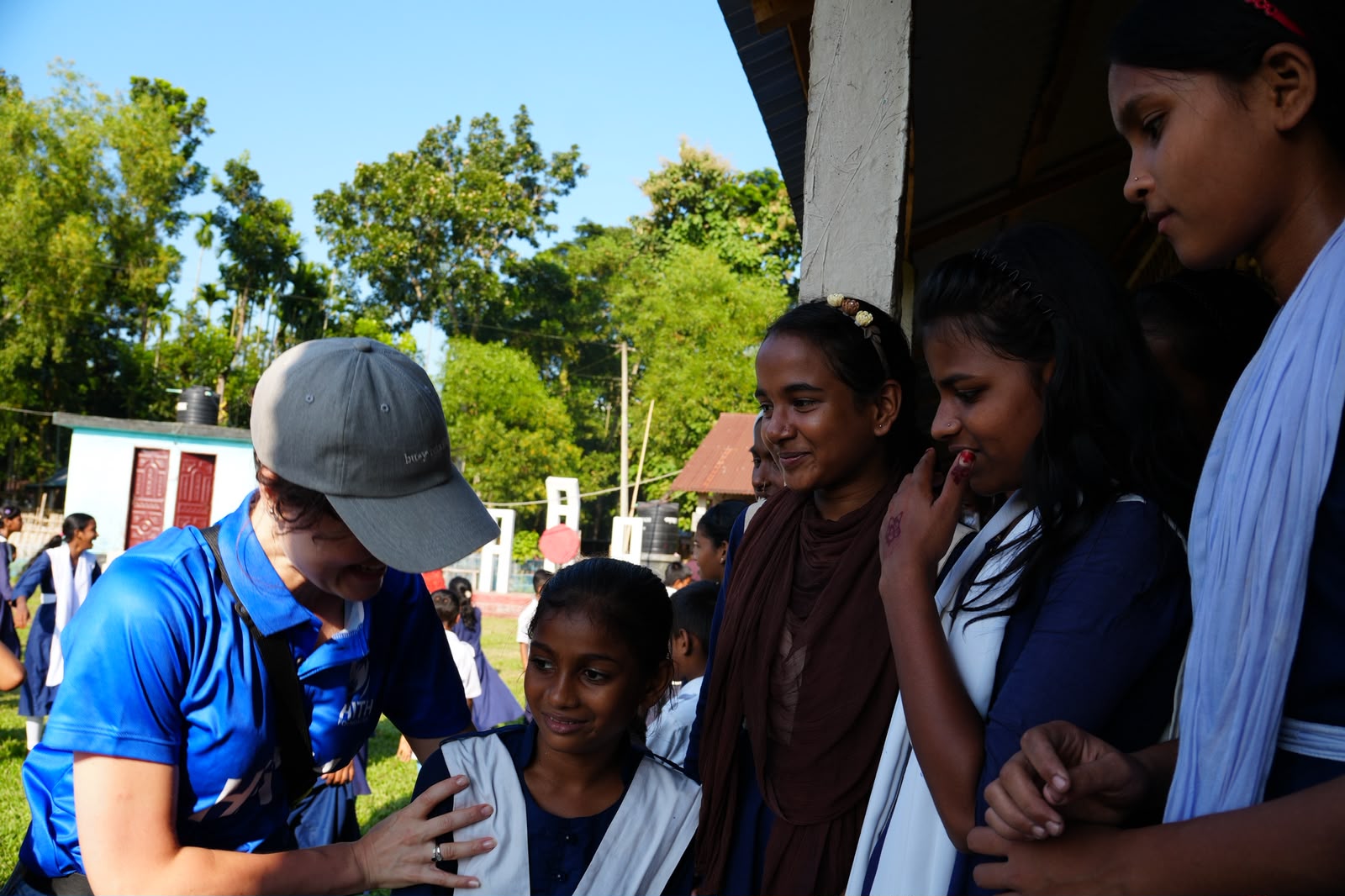
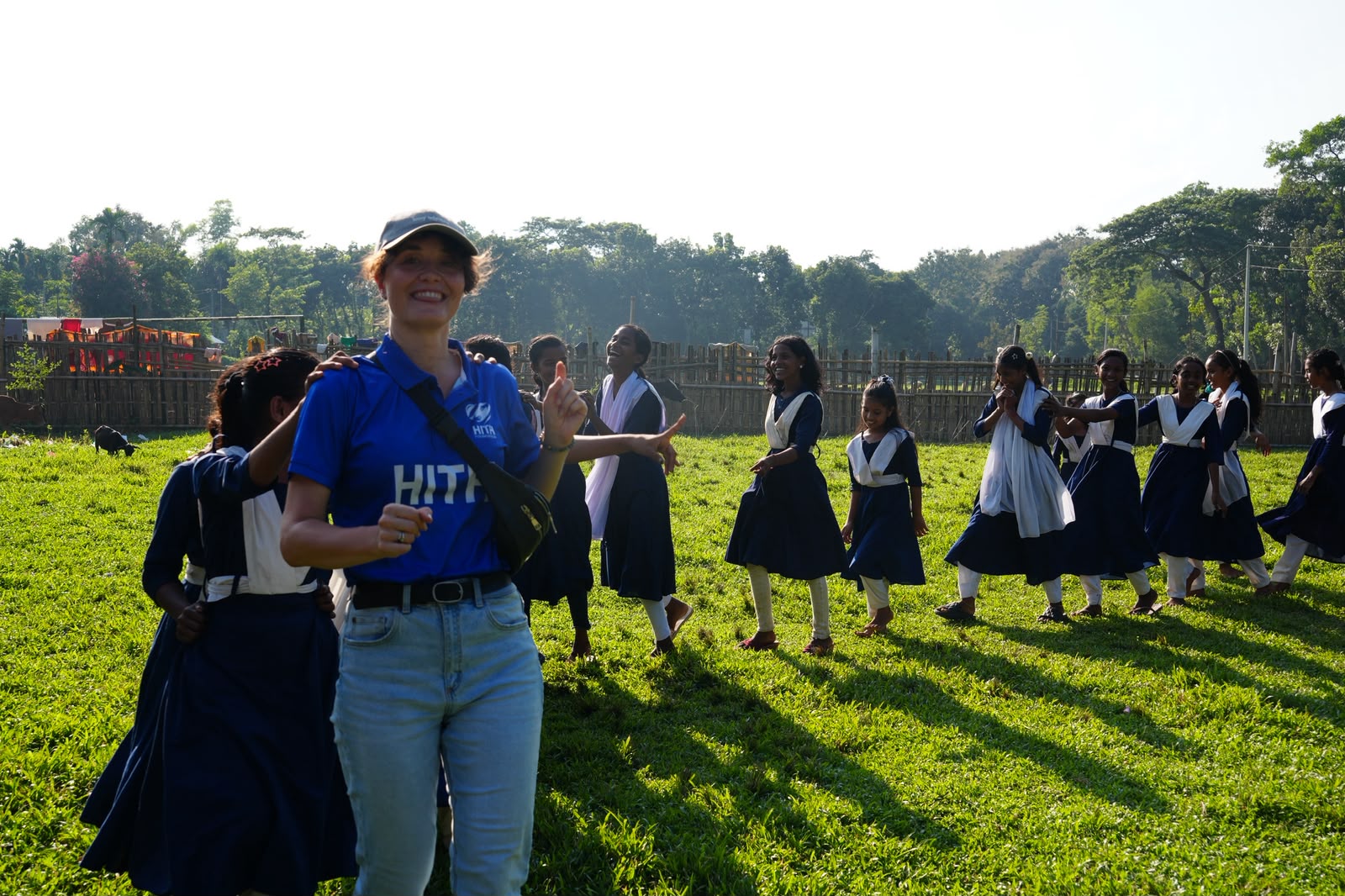
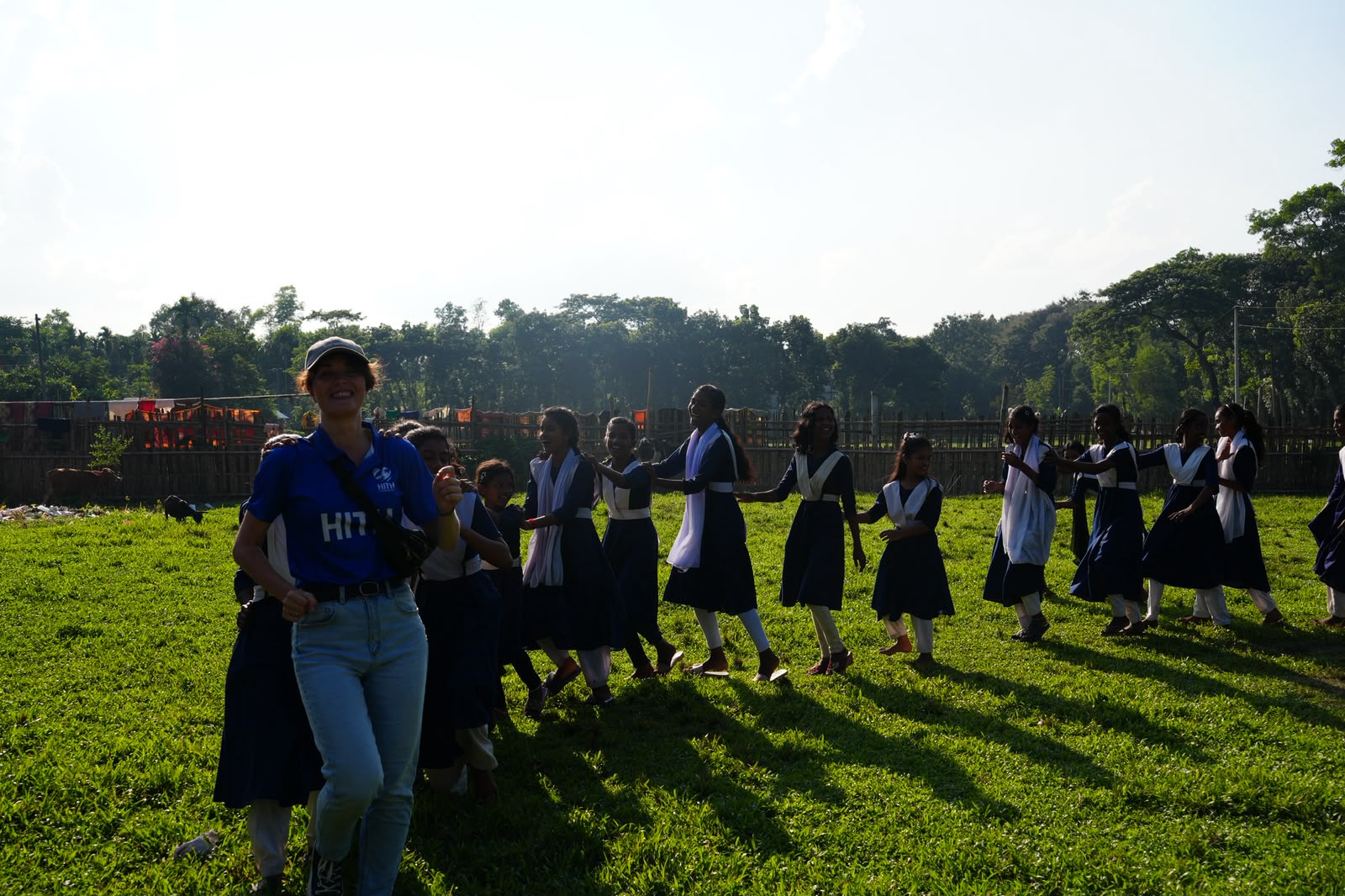
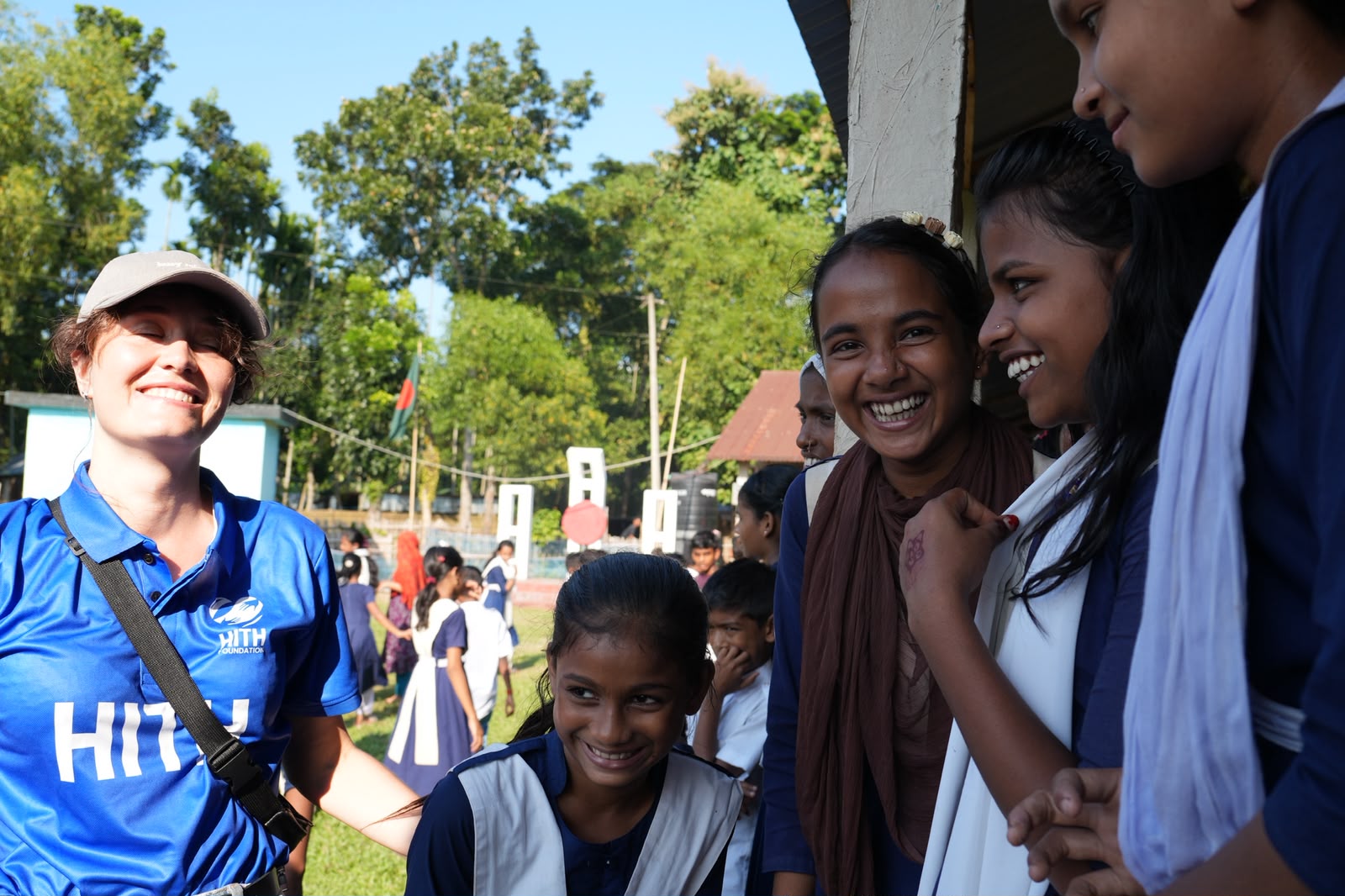
We spent time playing games, laughing, and simply being present with these children. They followed us everywhere, unwilling to let the moment end. They wanted to talk, to play, to hold our hands, to show us their world in the little time we had together. Their joy was immediate, unfiltered, and deeply sincere.
One teacher told us something I still think about today: that our visit might become one of the most memorable days in these children’s lives.
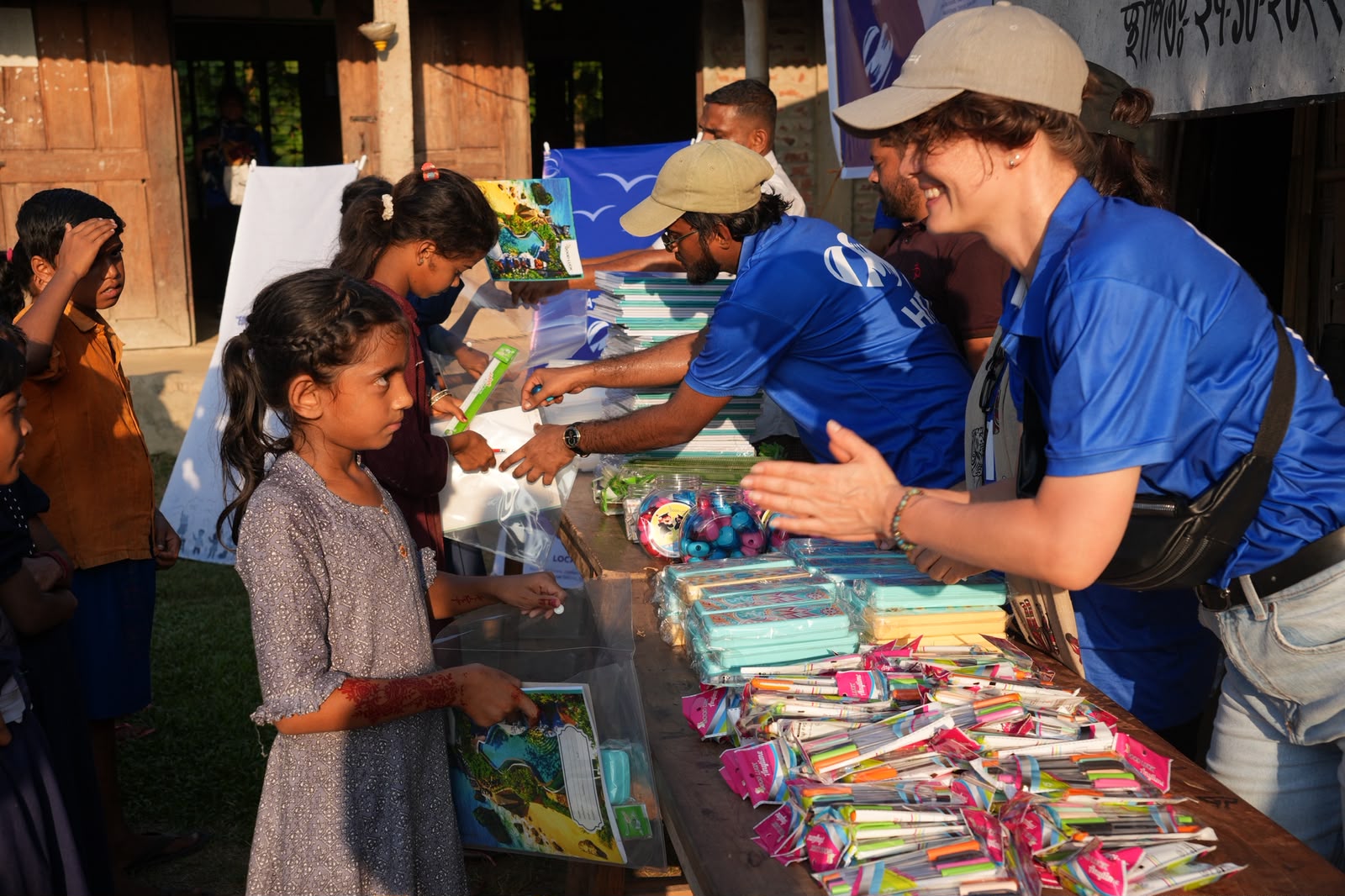
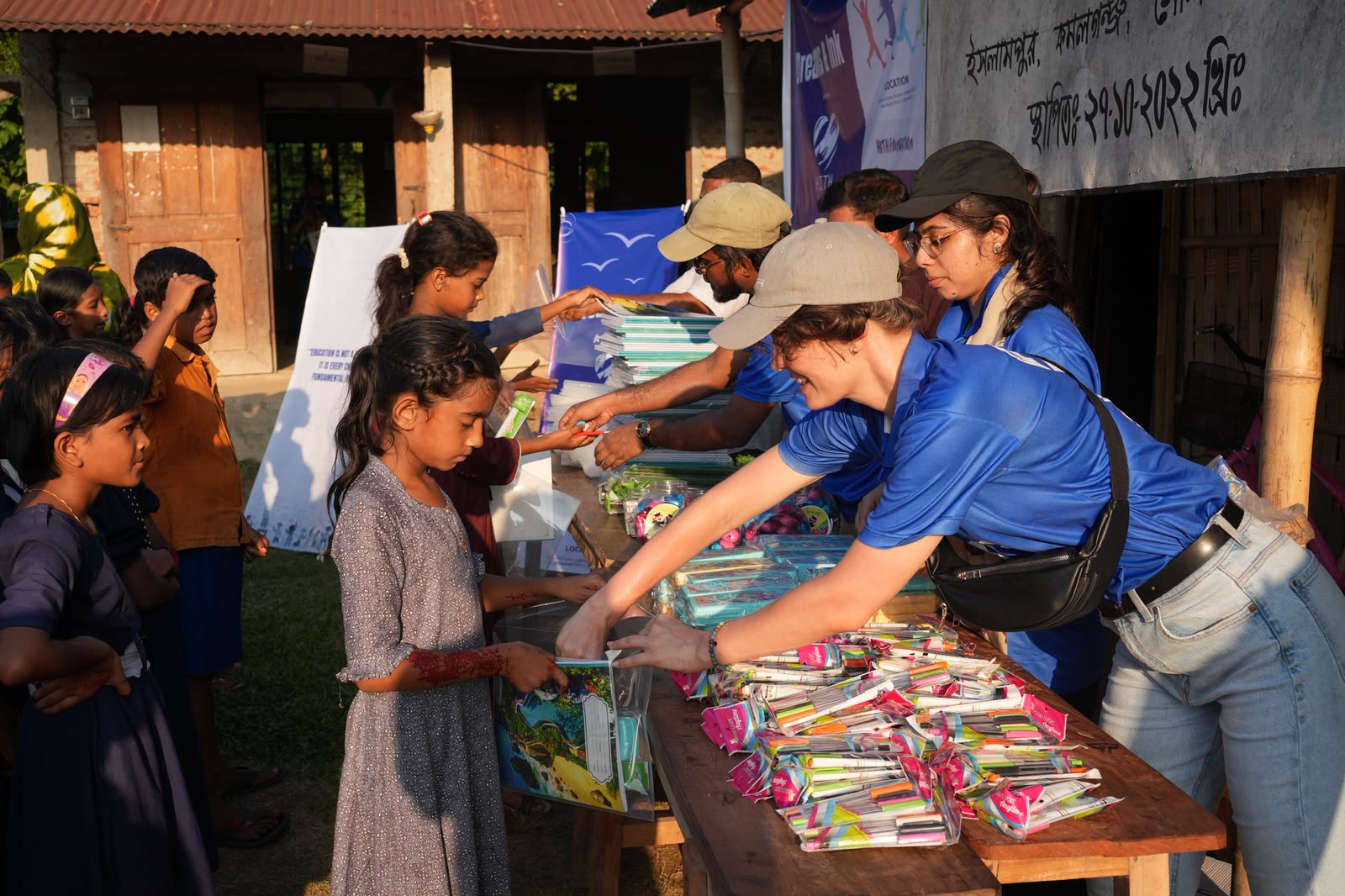
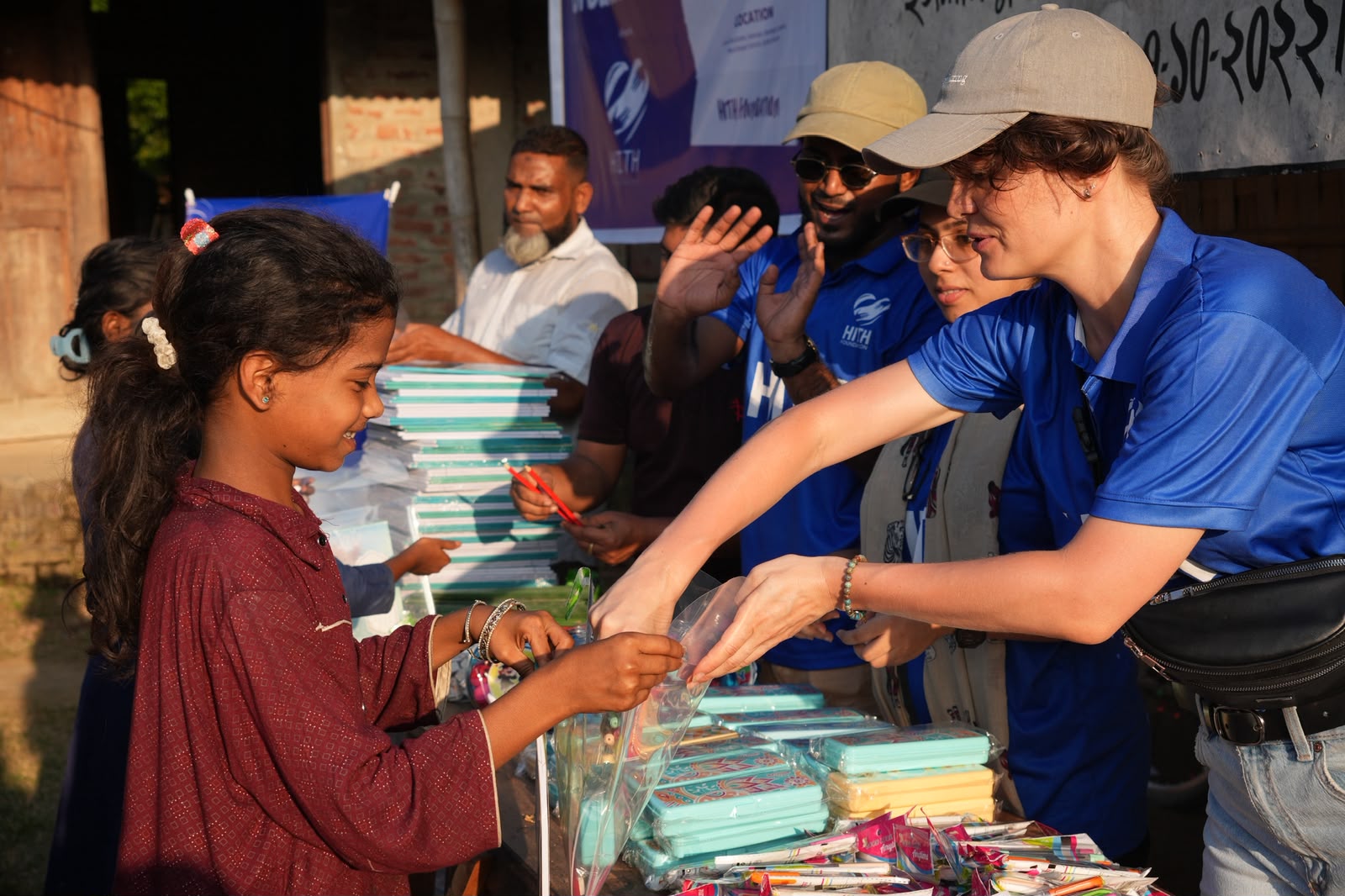
Not because what we did was extraordinary, but because it wasn’t. We brought school supplies, organized activities, and spent time with them. Yet in a place where outside attention is rare, even simple presence can carry profound meaning.
I realized I had been measuring impact by scale, not by presence.
It reminded me that education is not only books or classrooms. It is also recognition, encouragement, and the belief that a child’s future can extend beyond their current reality.
Education alone cannot solve every challenge these communities face. But without it, breaking generational cycles becomes beyond our reach.
Looking Beyond the Cup
Before visiting Bangladesh, I understood inequality as a concept. I had worked with DEI frameworks, and engaged with them through research and professional practice. I thought I understood the language of inequality.
But being in Sreemangal made me realize the difference between understanding a concept and witnessing a reality.
I also came to understand something else: our lives are more connected than we often realize.
The tea we drink, the products we buy, and the choices we make are linked to people we may never meet.
That connection carries responsibility. Not responsibility rooted in guilt, but responsibility rooted in awareness.
Once you see that connection, it becomes difficult to ignore.
Today, when I drink tea, I still enjoy its warmth. But I no longer see it as just a beverage.
I see the people who helped bring it to my table.
I see the children hoping for opportunities their parents never had.
I see communities working toward a better future despite extraordinary obstacles.
I no longer see tea as just a beverage. I see the 23 kilograms behind it.
From the Field
Moments from Sreemangal