
A wage that never stretches
A full day’s picking earns roughly a dollar and a half. Every worker we surveyed said it never covers food, clothes, medicine, and school together.
170+
Years segregated
3+
Generations deep
23kg
Daily picking quota
$1.40
A full day’s wage
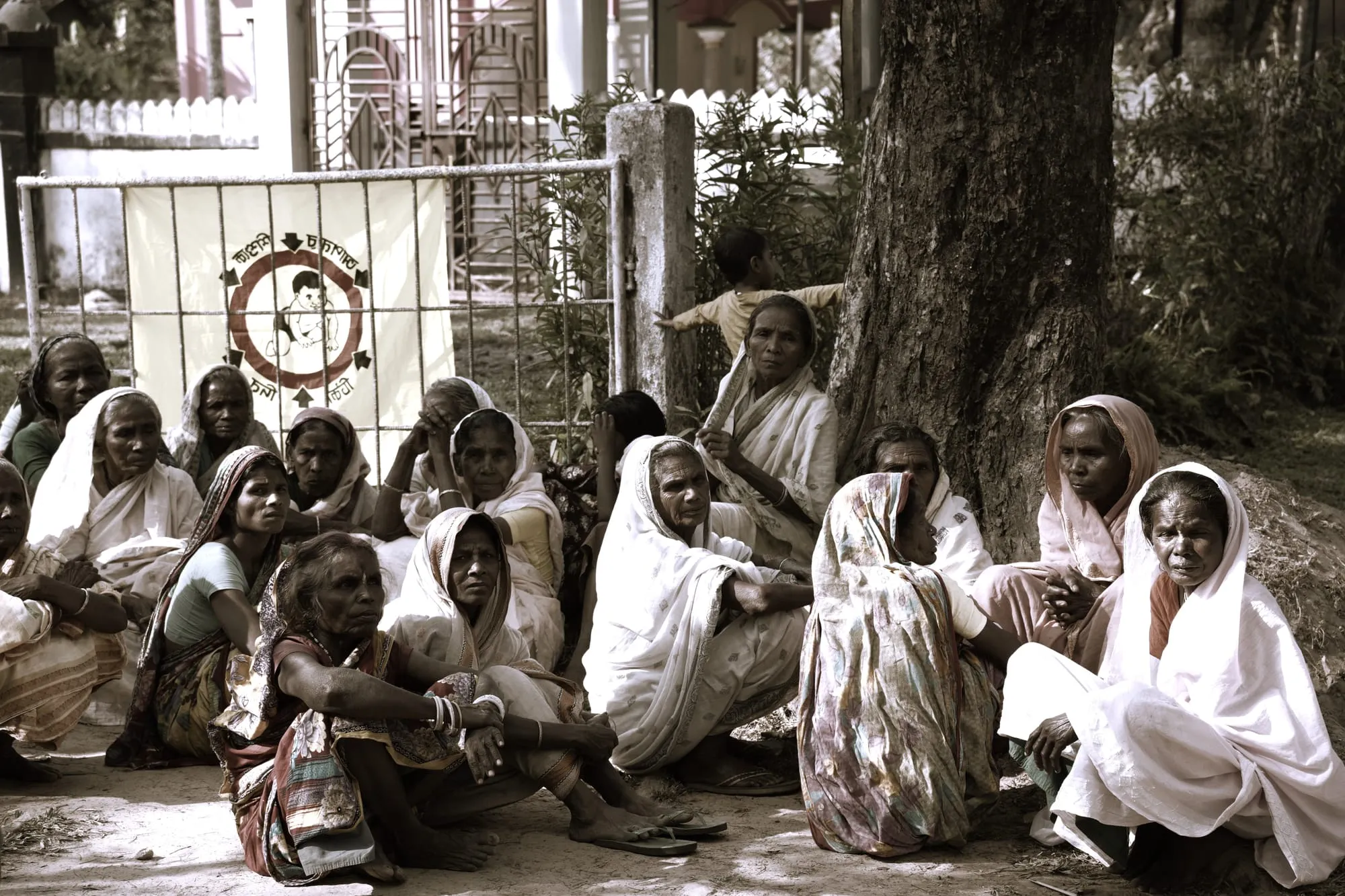
The tea gardens of Sreemangal
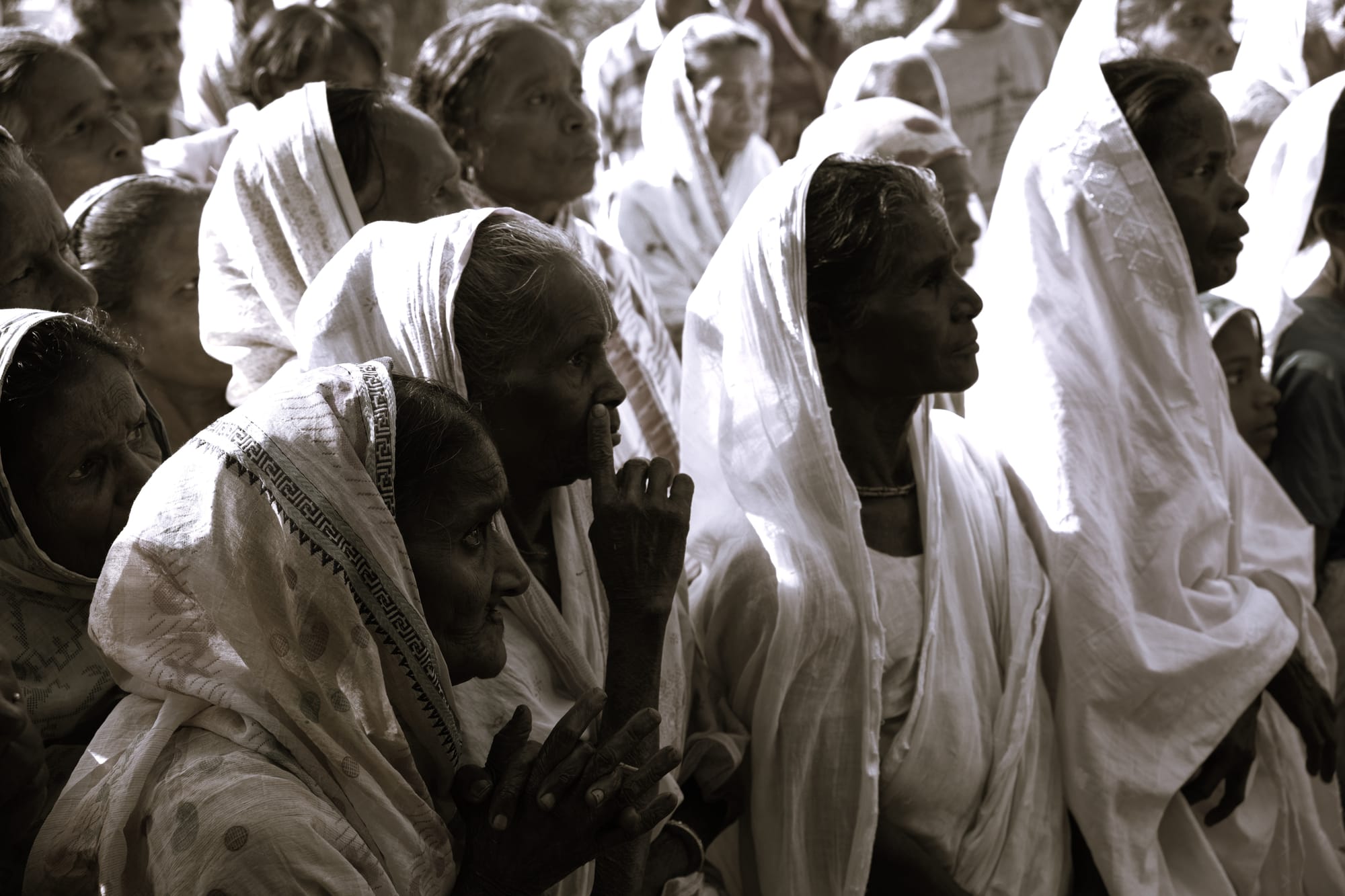
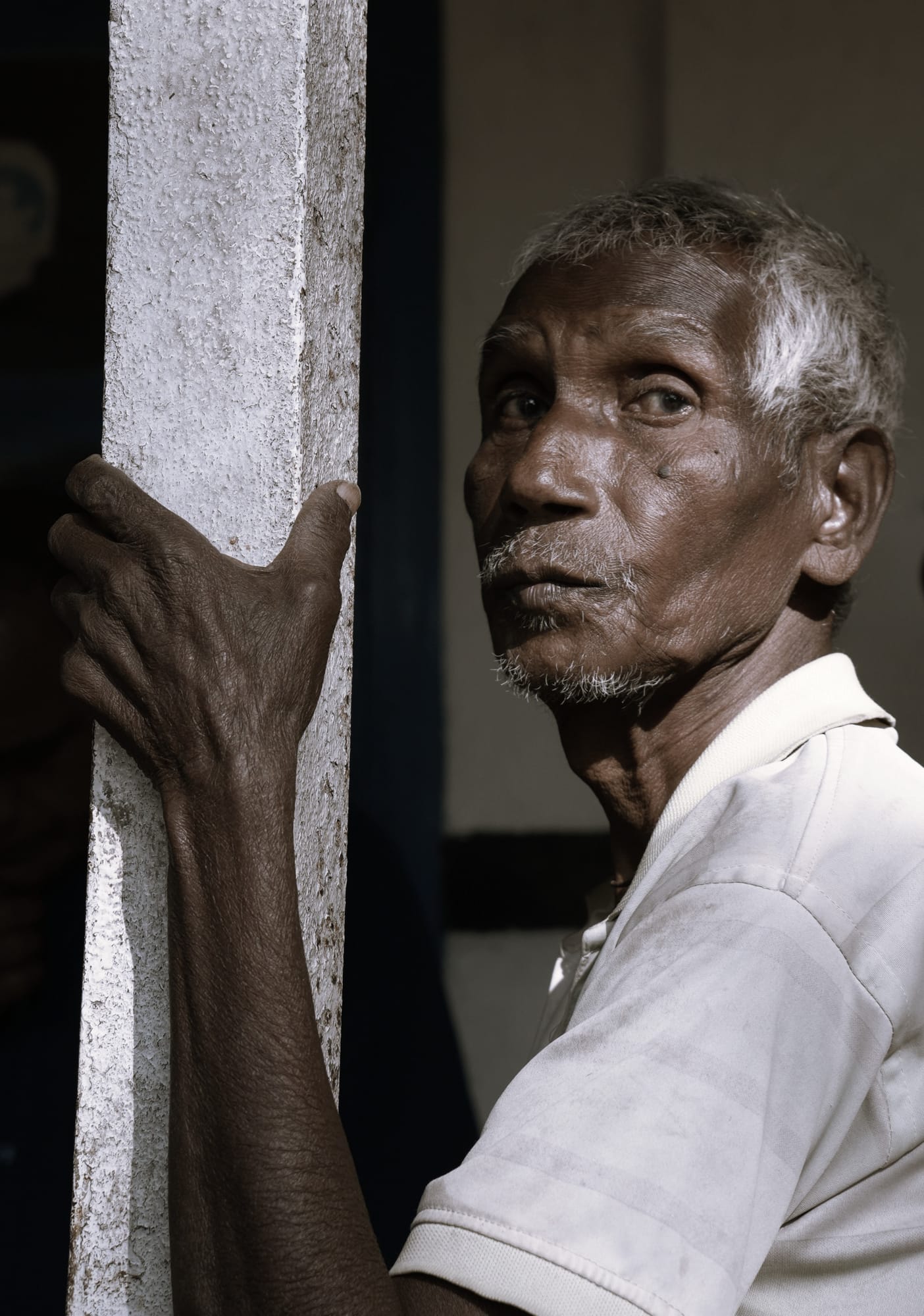
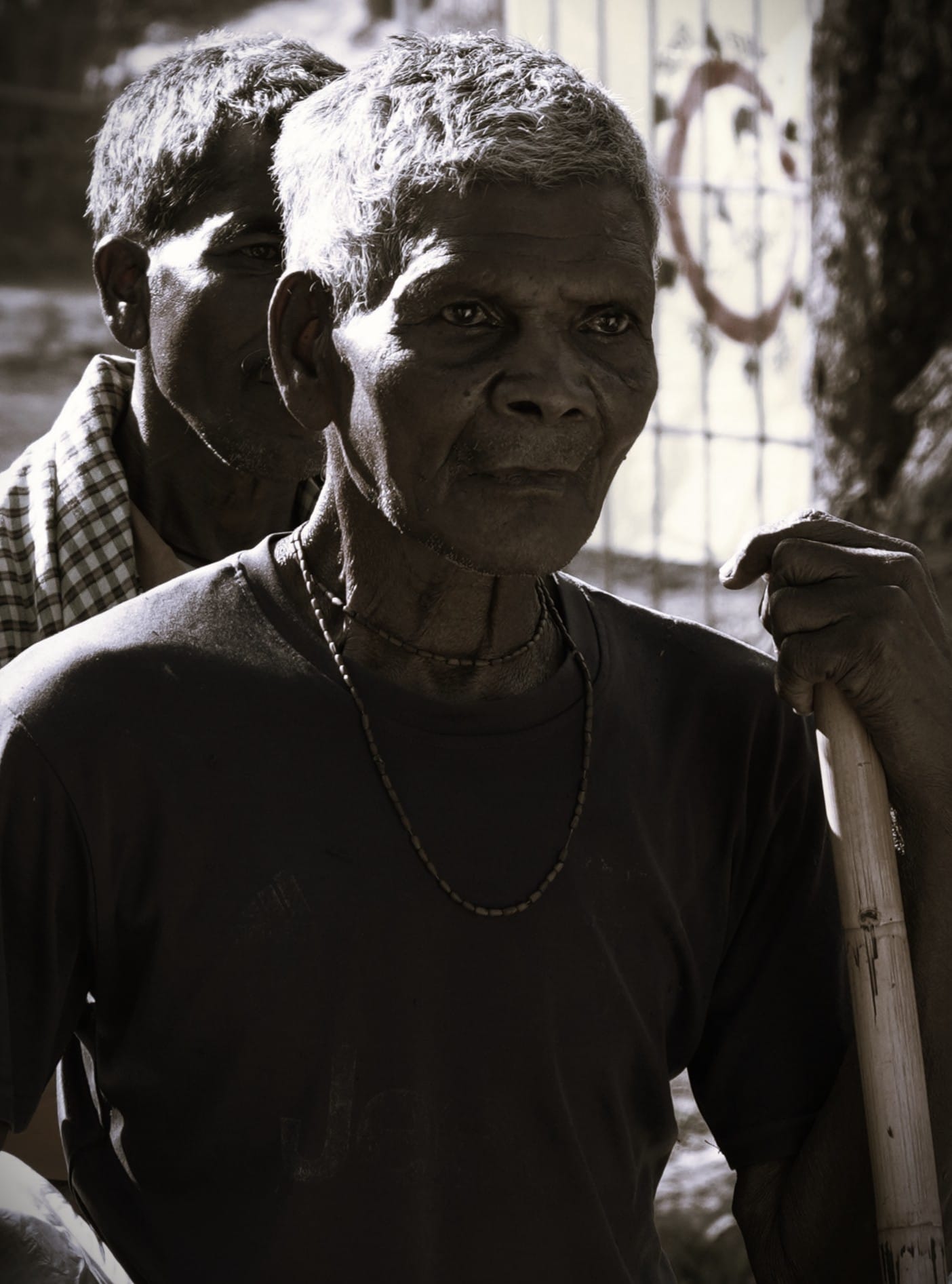
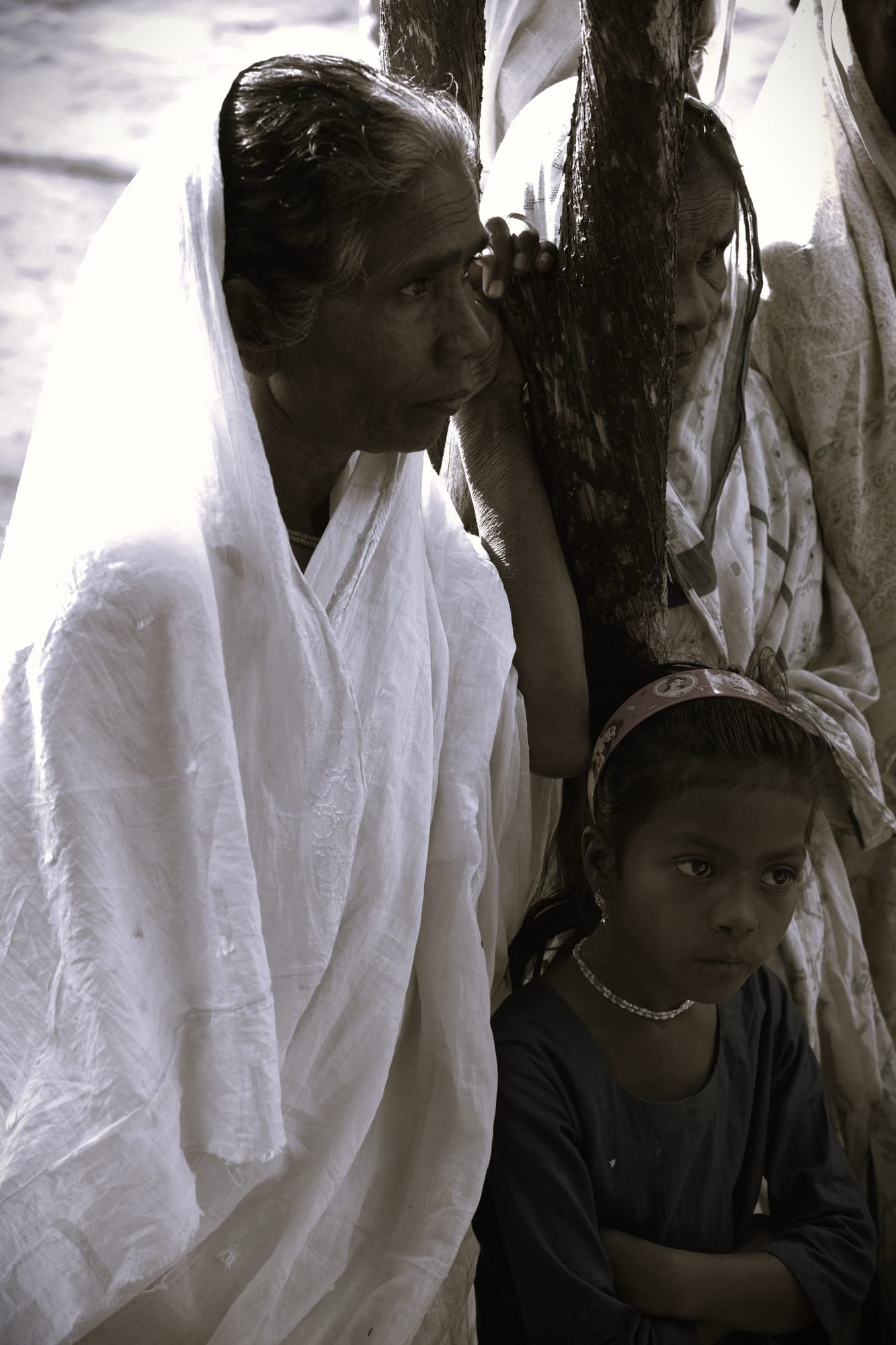
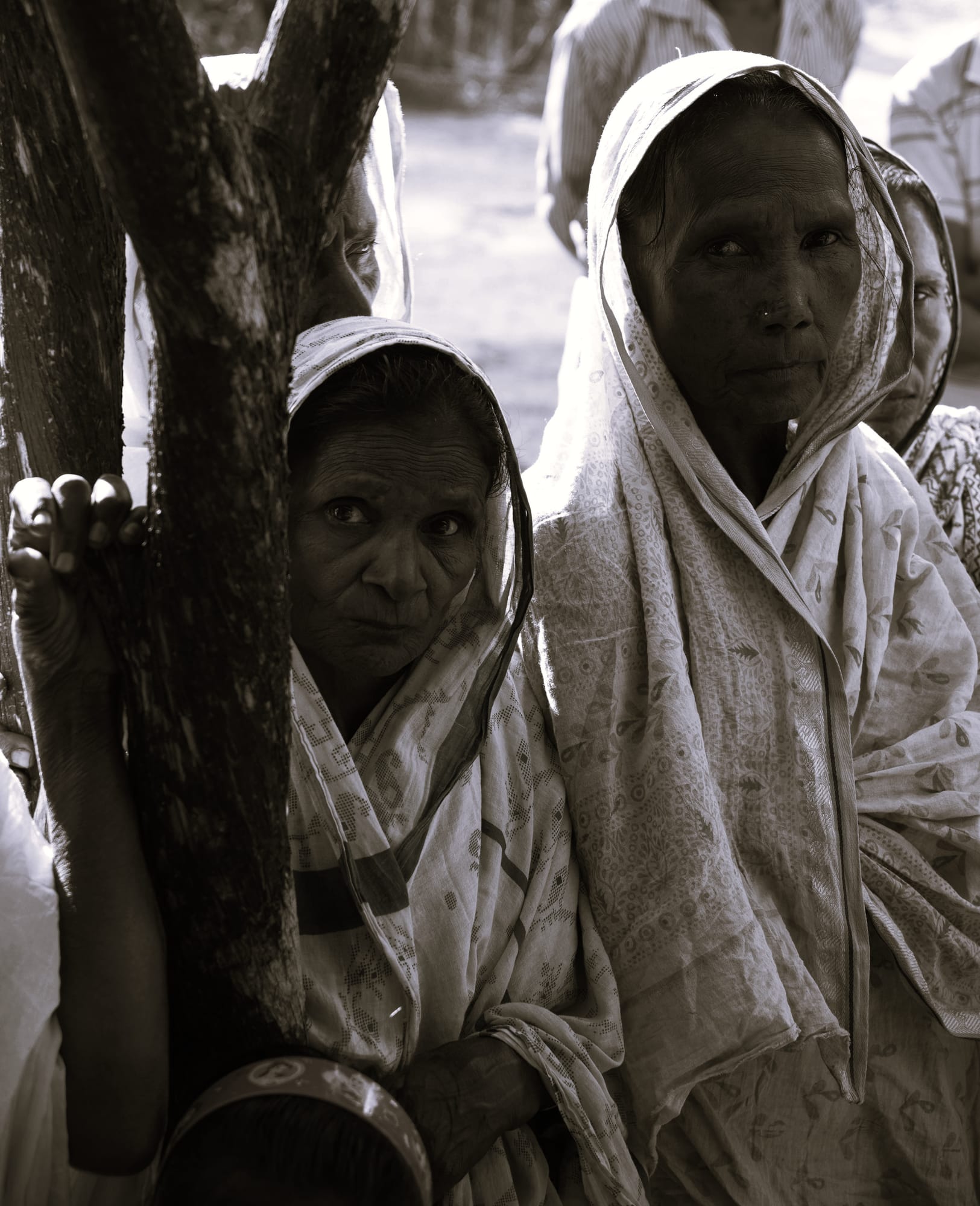
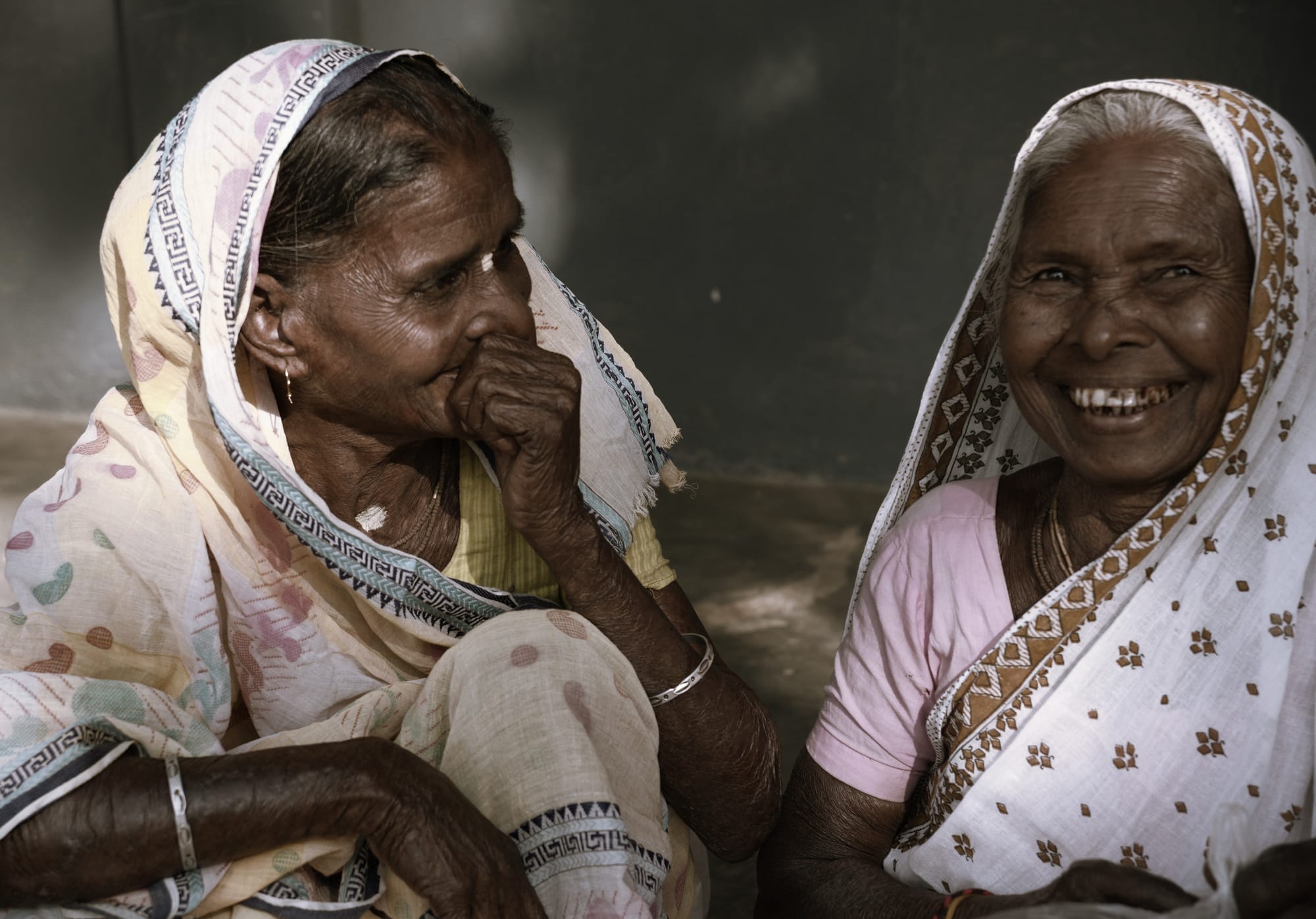
Behind every cup of tea are hands like these. Three generations who keep the gardens green, while their own futures stay locked inside the estate.
What is a tea garden?
A tea garden is a plantation estate where families pick tea leaves by hand, day after day, to a daily quota. In Bangladesh they cover the hills of Sylhet and Sreemangal, beautiful to visit, and home to a community most of the country never really sees.
The tea in your cup passes through their hands first. Their work sustains an entire national industry, one of the country’s oldest.
Most families descend from workers brought to these estates generations ago. Housing is tied to the job, so leaving the work means losing the home.
Ethnically and economically segregated for over 170 years, the community lives largely separate from the world around it, a bubble the modern world never reached.
Most families have worked the same gardens for three generations or more, with no example of a life beyond the estate.
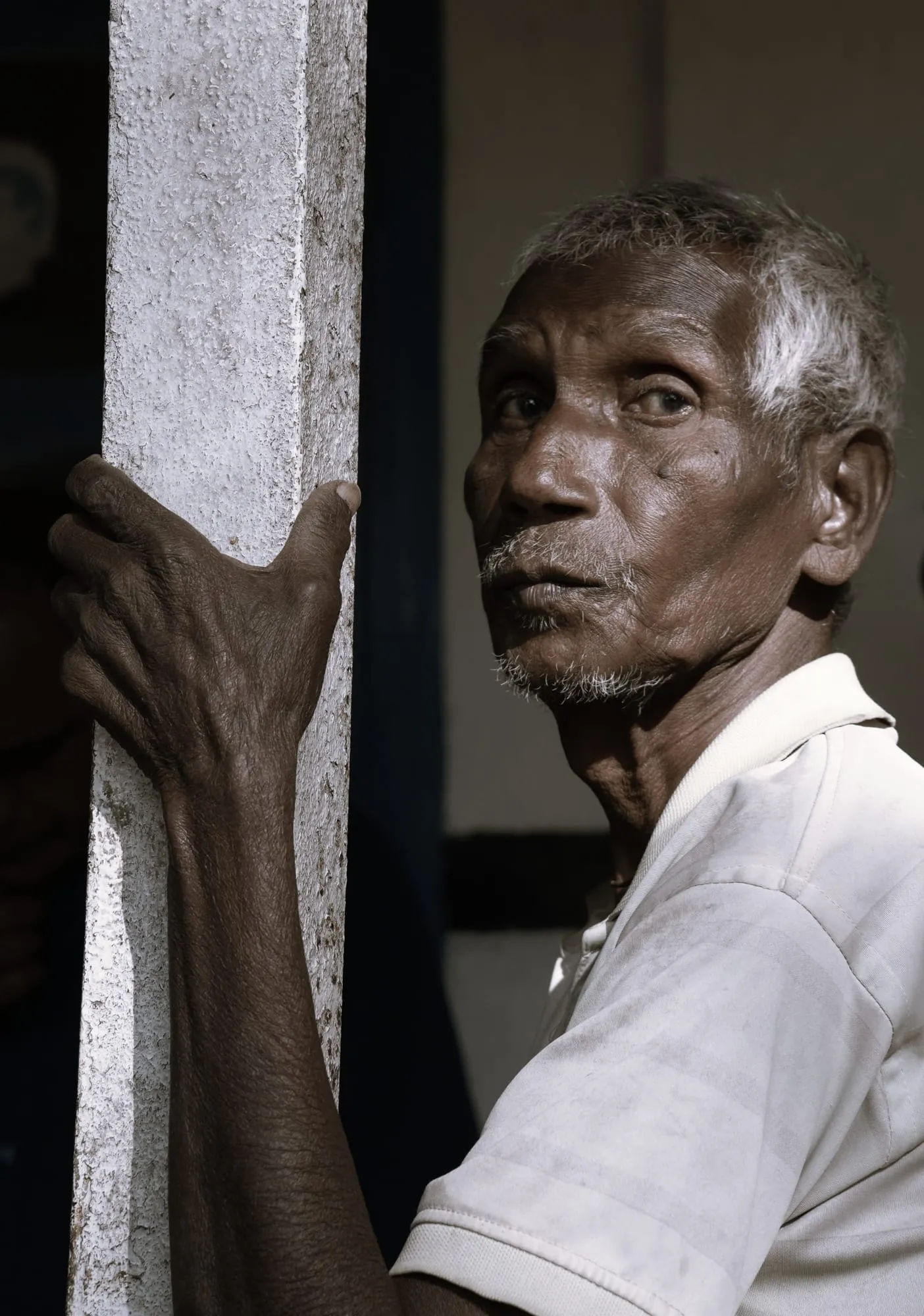
170+
years segregated, three generations deep
The situation there
We did not learn this from reports. We learned it by going, sitting down, and listening. Behind the scenery is a daily reality of survival.
A full day’s picking earns roughly a dollar and a half. Every worker we surveyed said it never covers food, clothes, medicine, and school together.
Most families carry loans, and take new loans before the old ones are paid, a cycle that is almost impossible to escape.
When food runs short, learning is the first thing to go. Teachers see children come to school tired and hungry.
Homes belong to the estate. To leave the work is to lose the roof, so staying is rarely a real choice.
In their own words
If there is food, there is learning. Without food, how can learning happen?
Khani thakle gyaan thake. Khani na thakle gyaan kemne thakbe.
Among the children here, many are talented. But who will identify and nurture it? The children want to learn. They cannot, because of money.
Photo essay
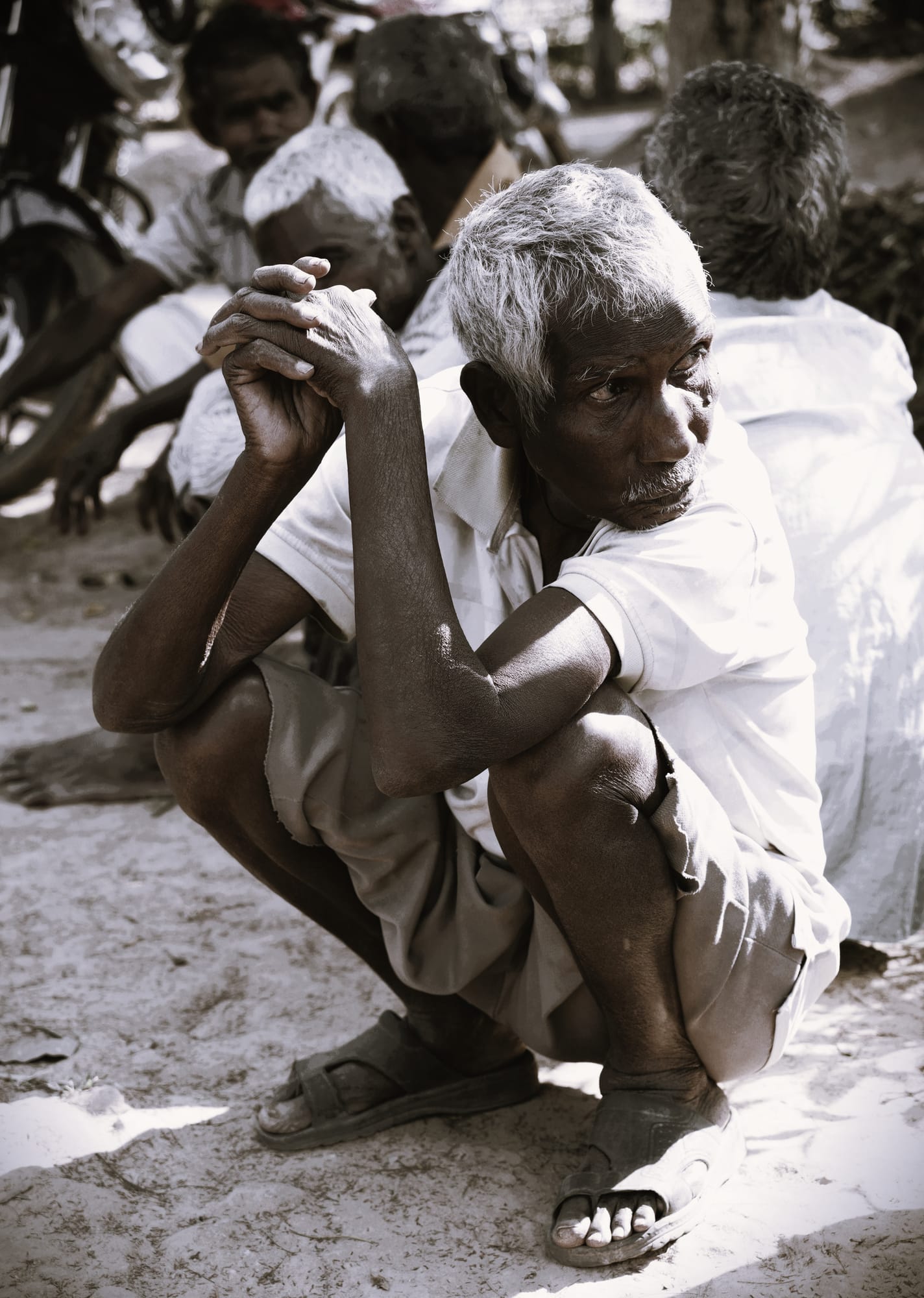
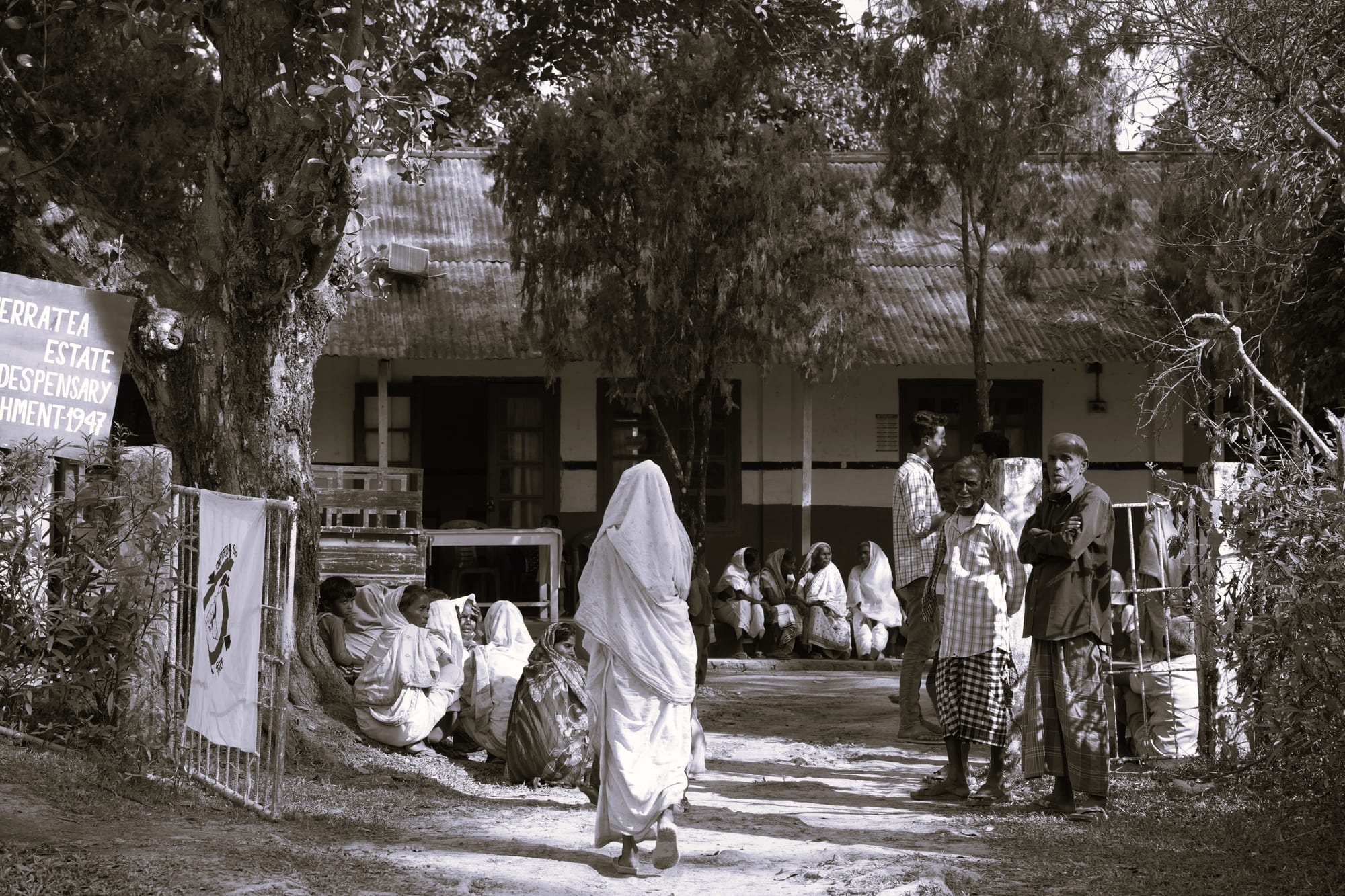
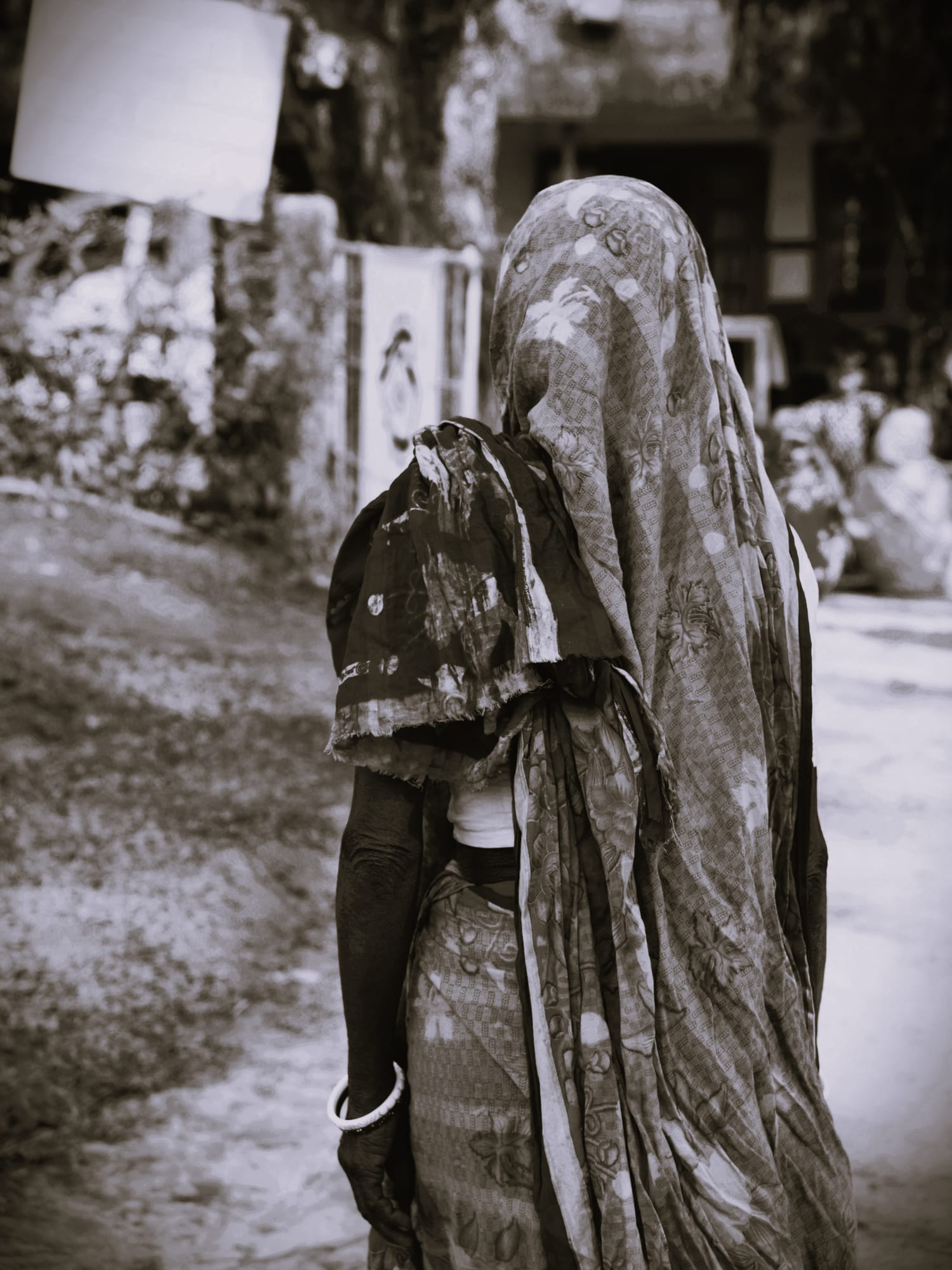
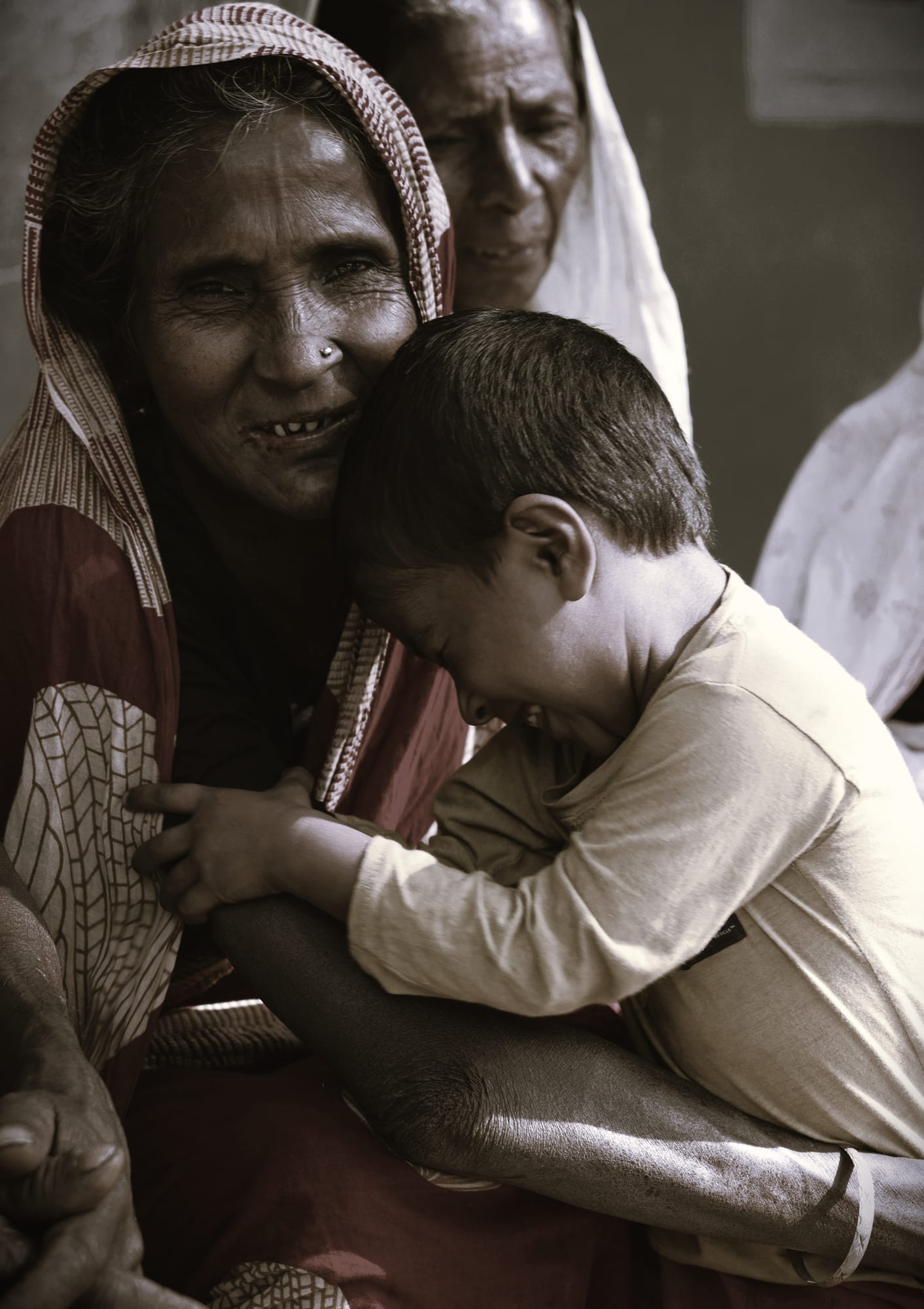
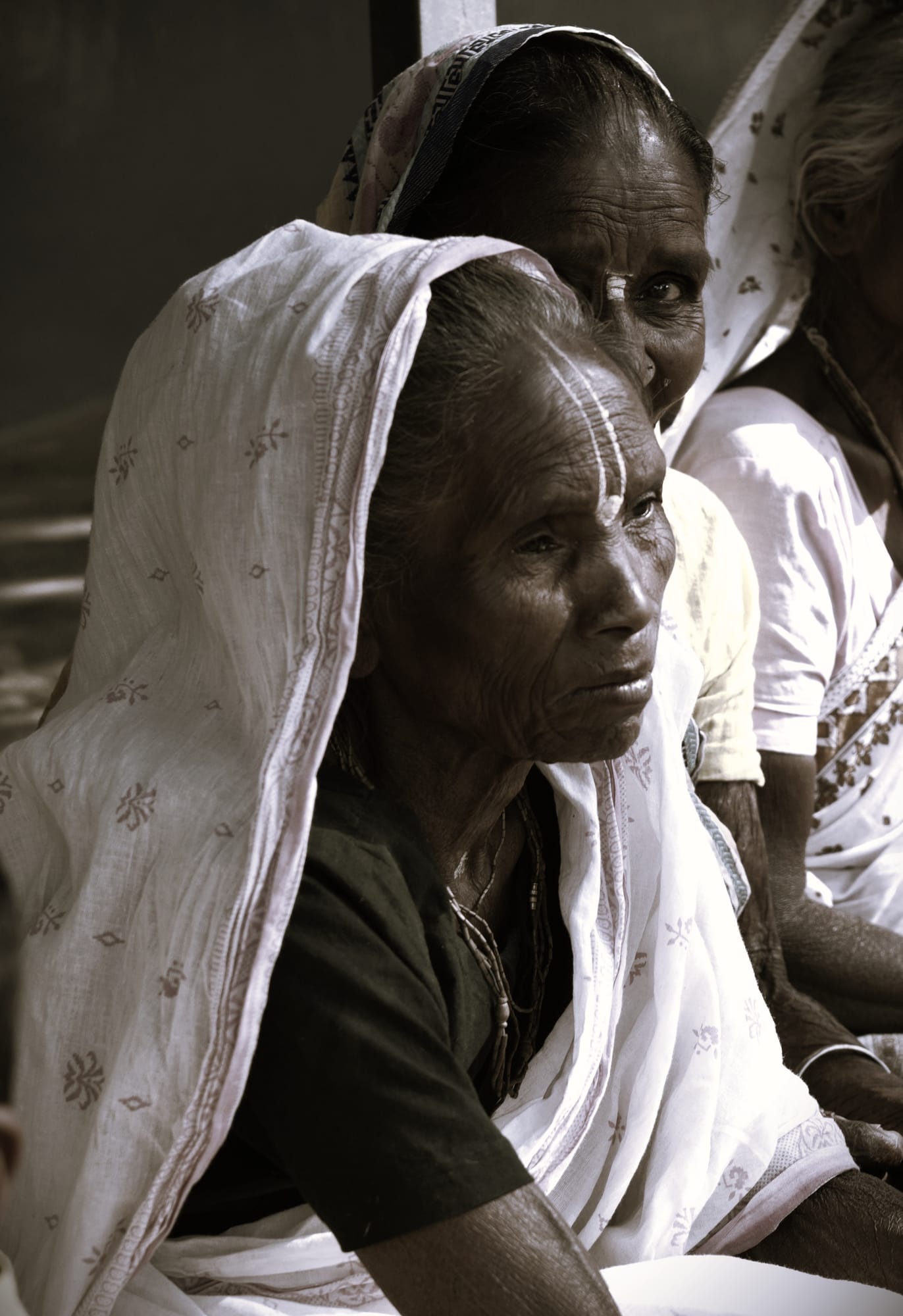
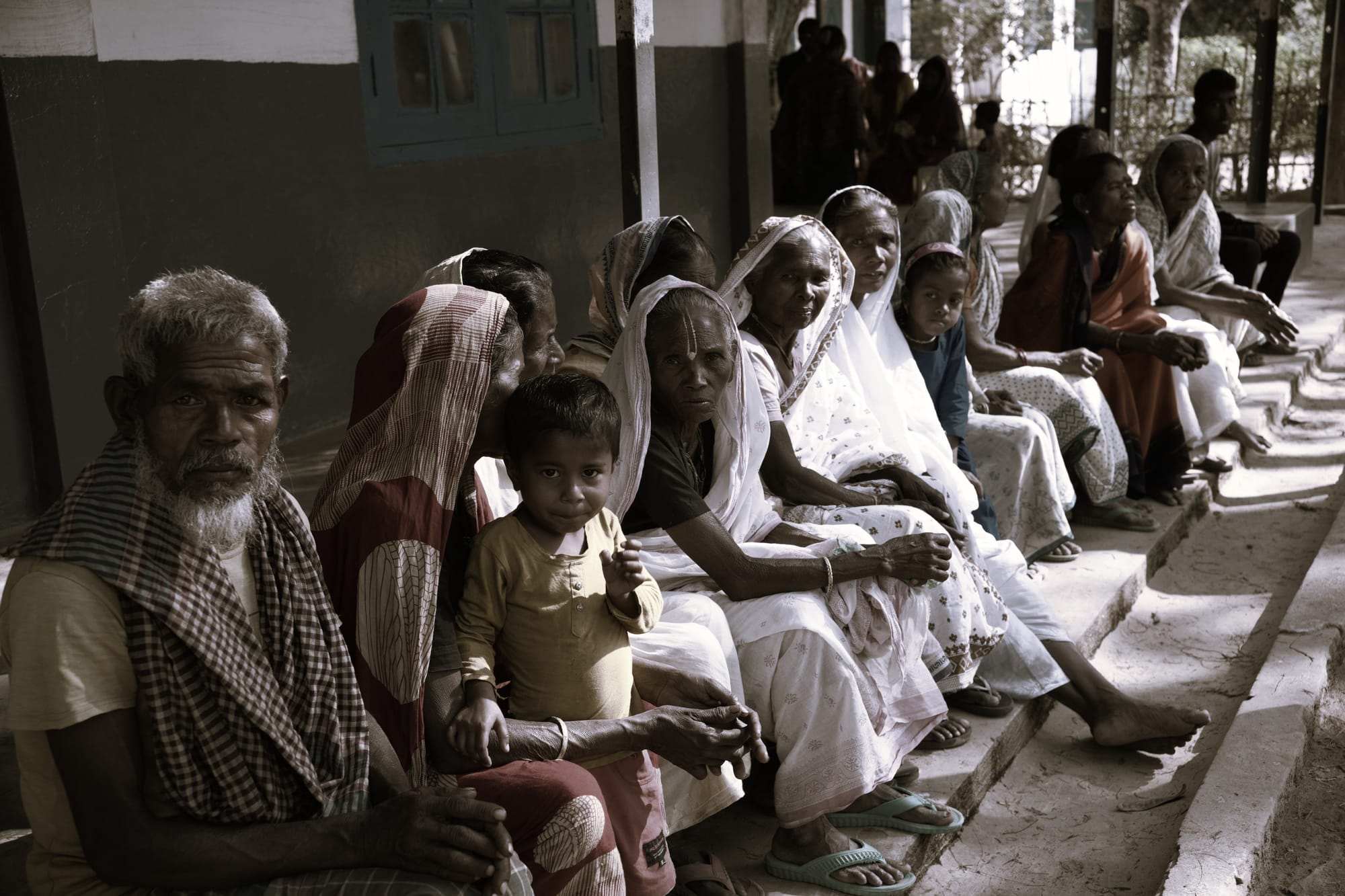
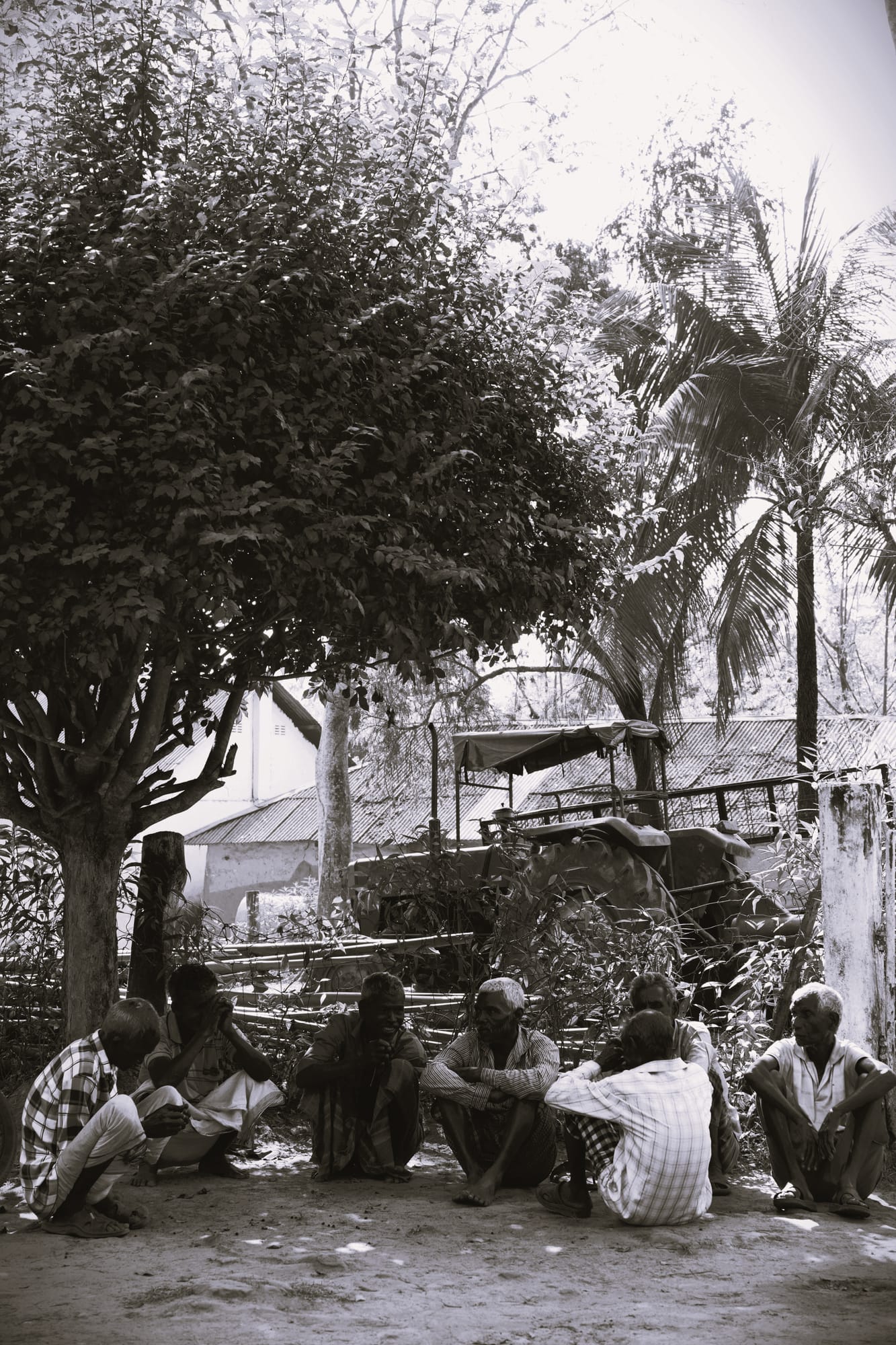
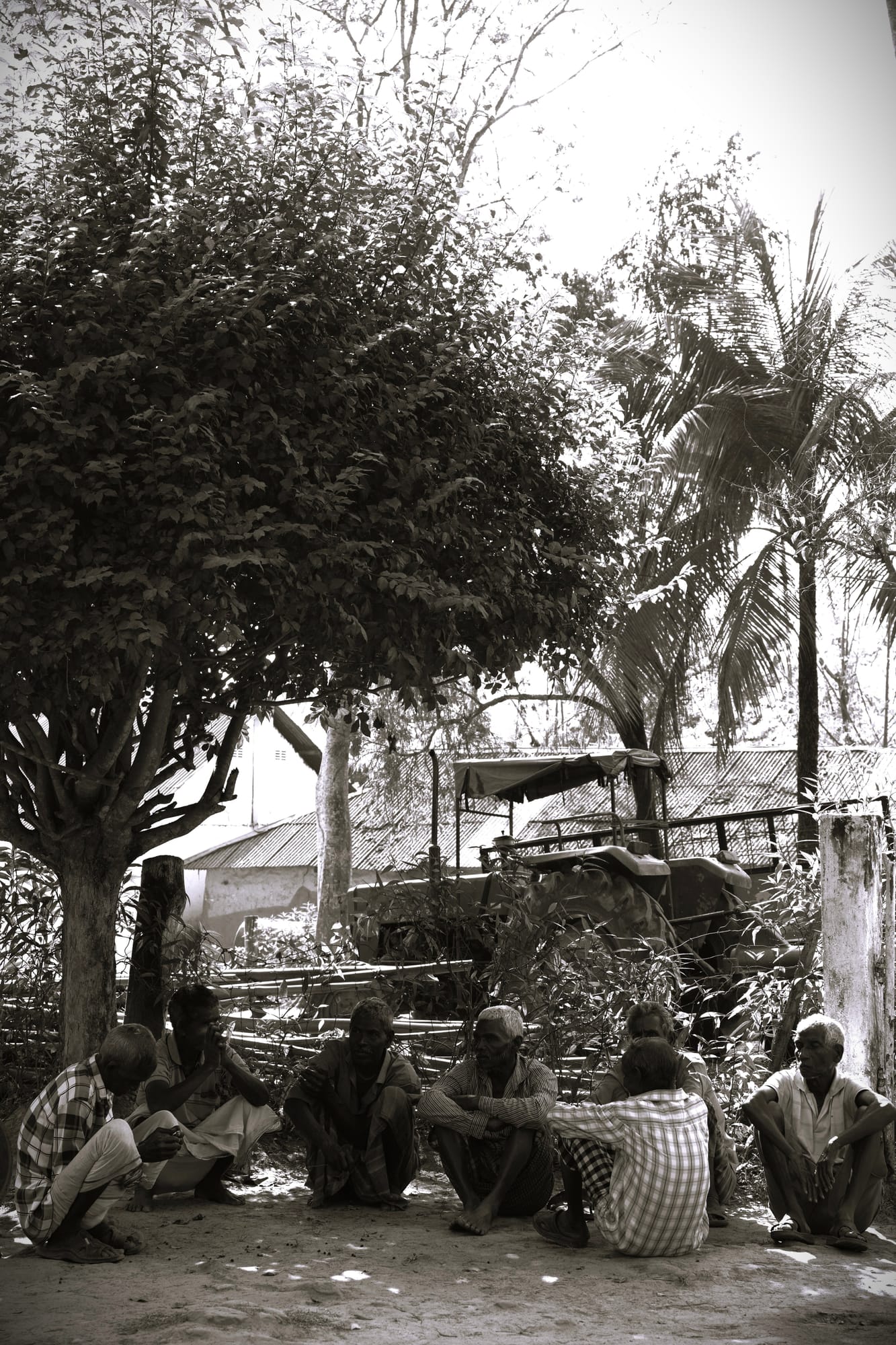
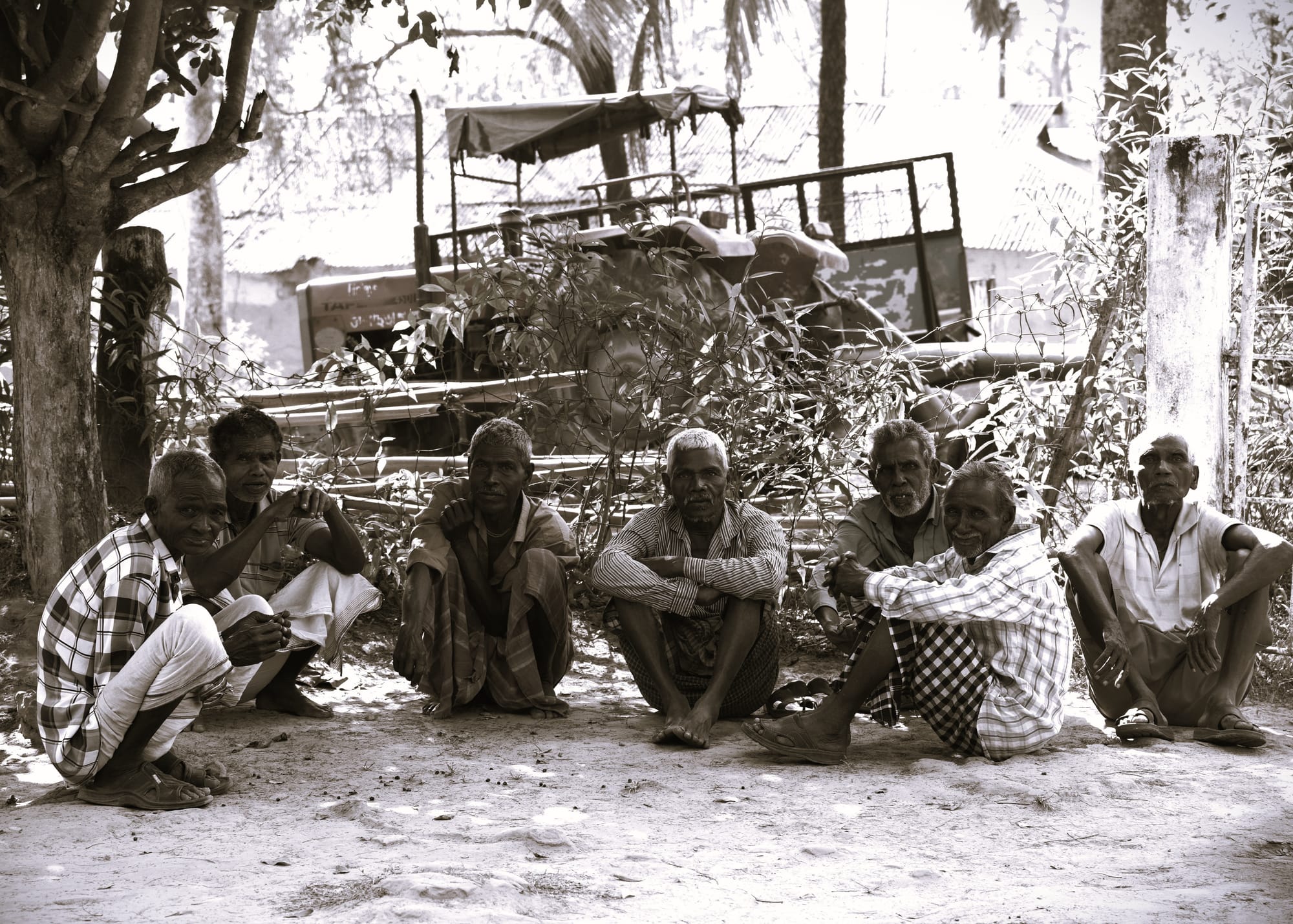
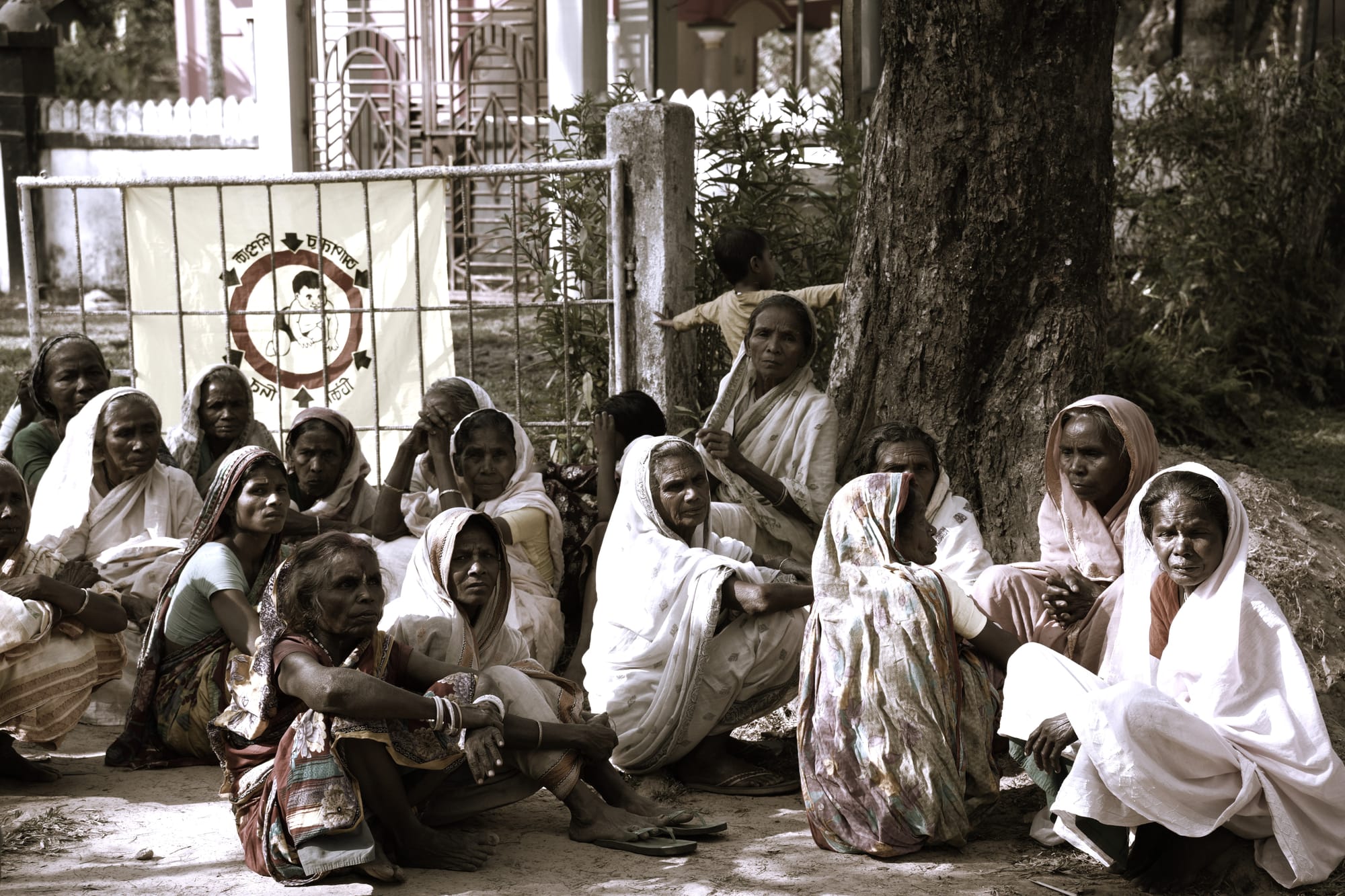
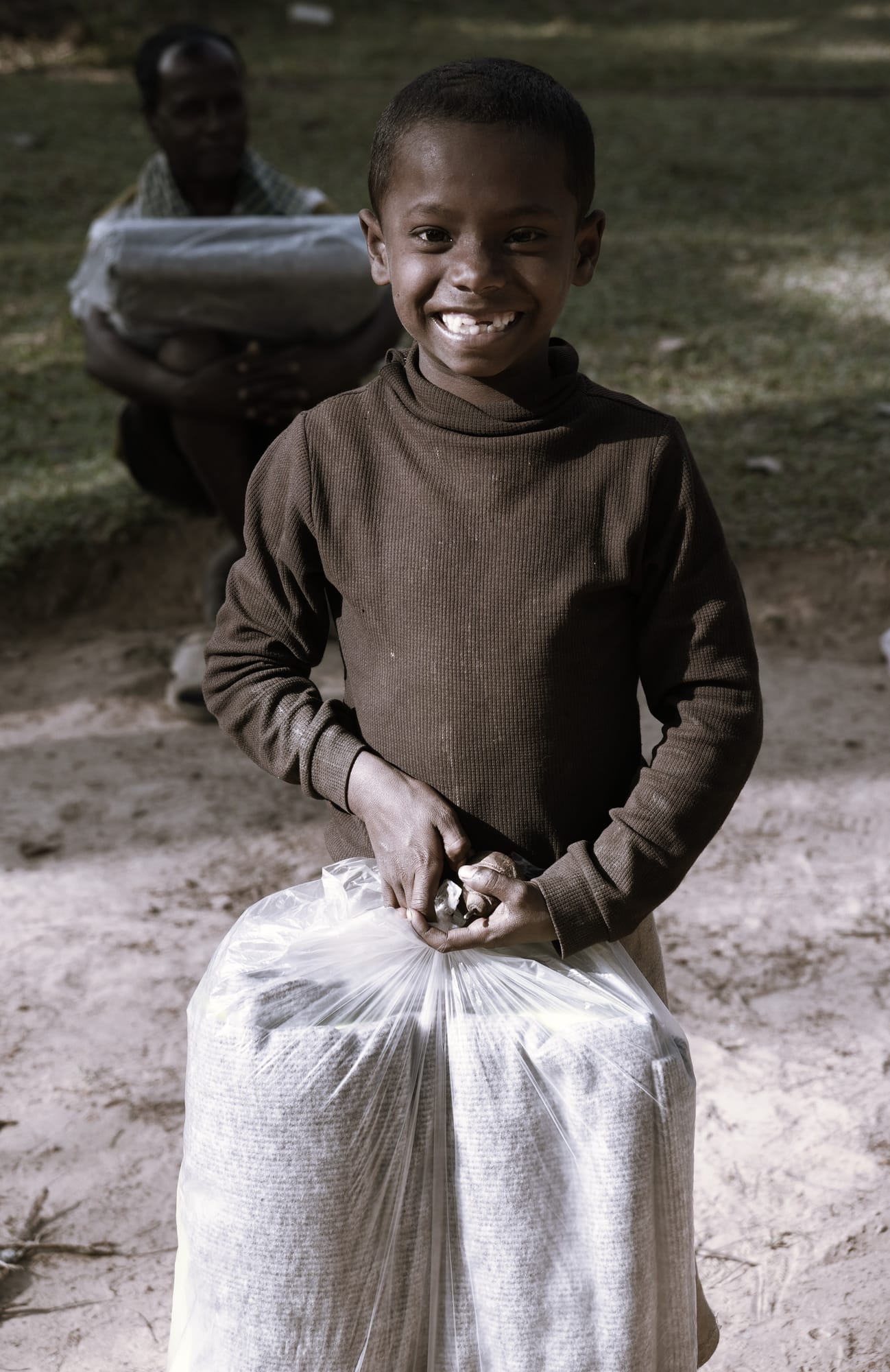
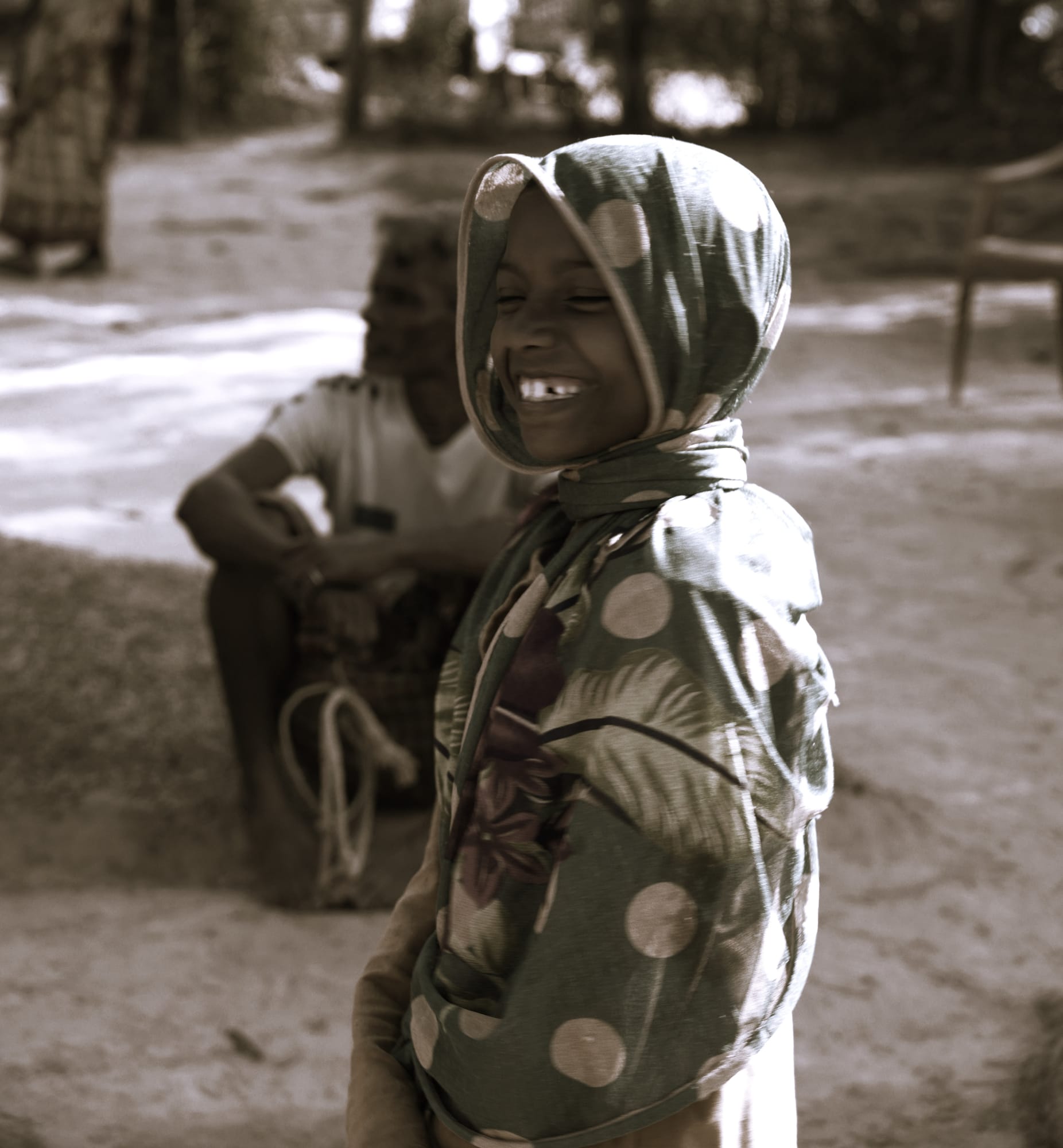
Moments from our field visits in Sylhet and Sreemangal. Hover to pause; click any photograph to see it full size.
Stories
Field notes and reflections from the tea garden communities.
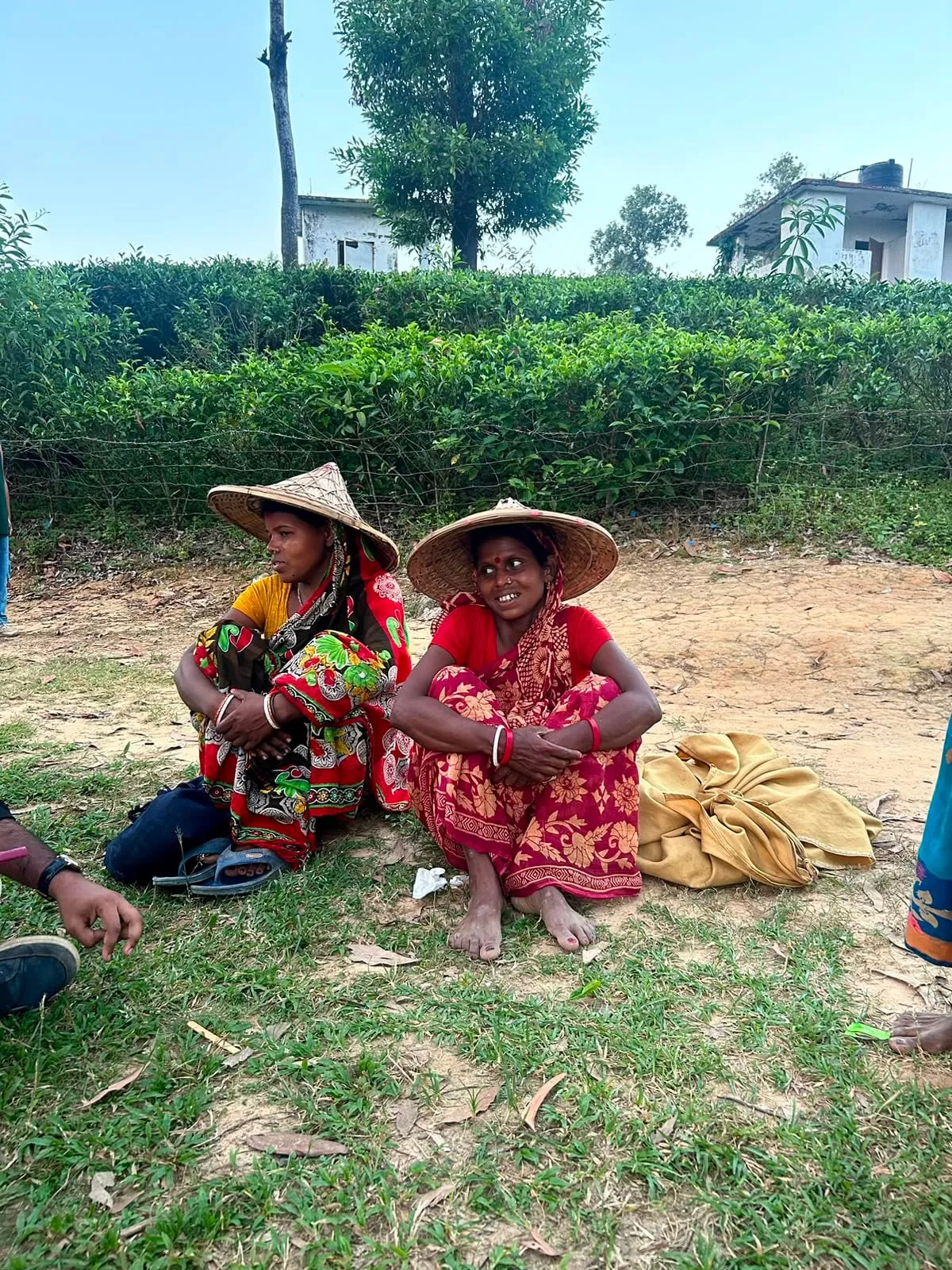
July 10, 2026
Nikita
HITH volunteer Nikita steps out of her bubble into the tea gardens of Sreemangal — a conversation with Geeta khala, a tea worker's brightest smile, and a bamboo classroom of children who never stopped dreaming.
Read Story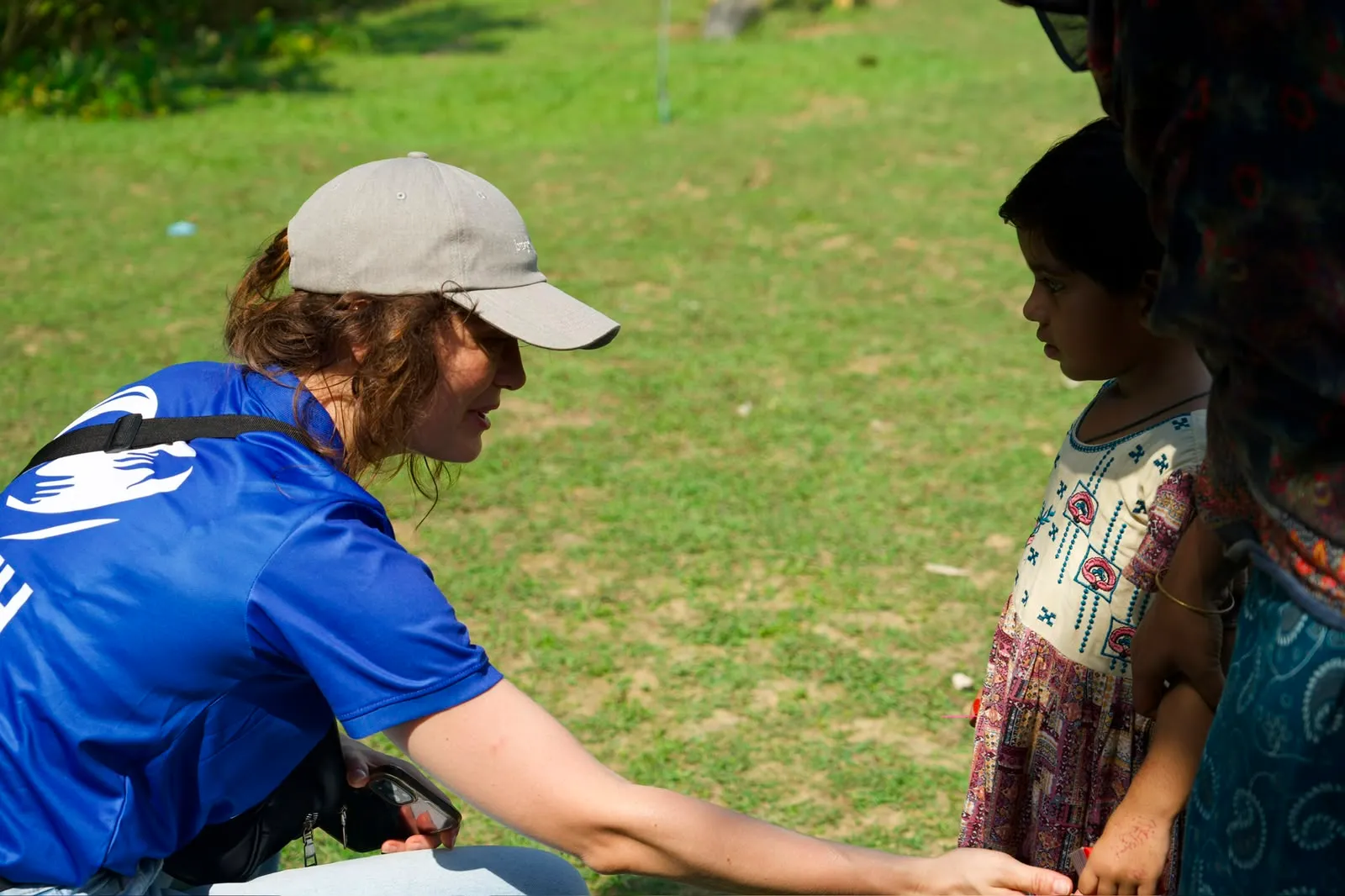
June 26, 2026
Ania Piasek
This is my third cup of tea today. For most of my life, that simple fact would have meant nothing. But after spending time with tea plantation workers in Bangladesh, every cup carries a different weight. In the tea gardens of Sreemangal, 23 kilograms of tea leaves is the minimum a worker must collect each day to receive their full pay [...]
Read Story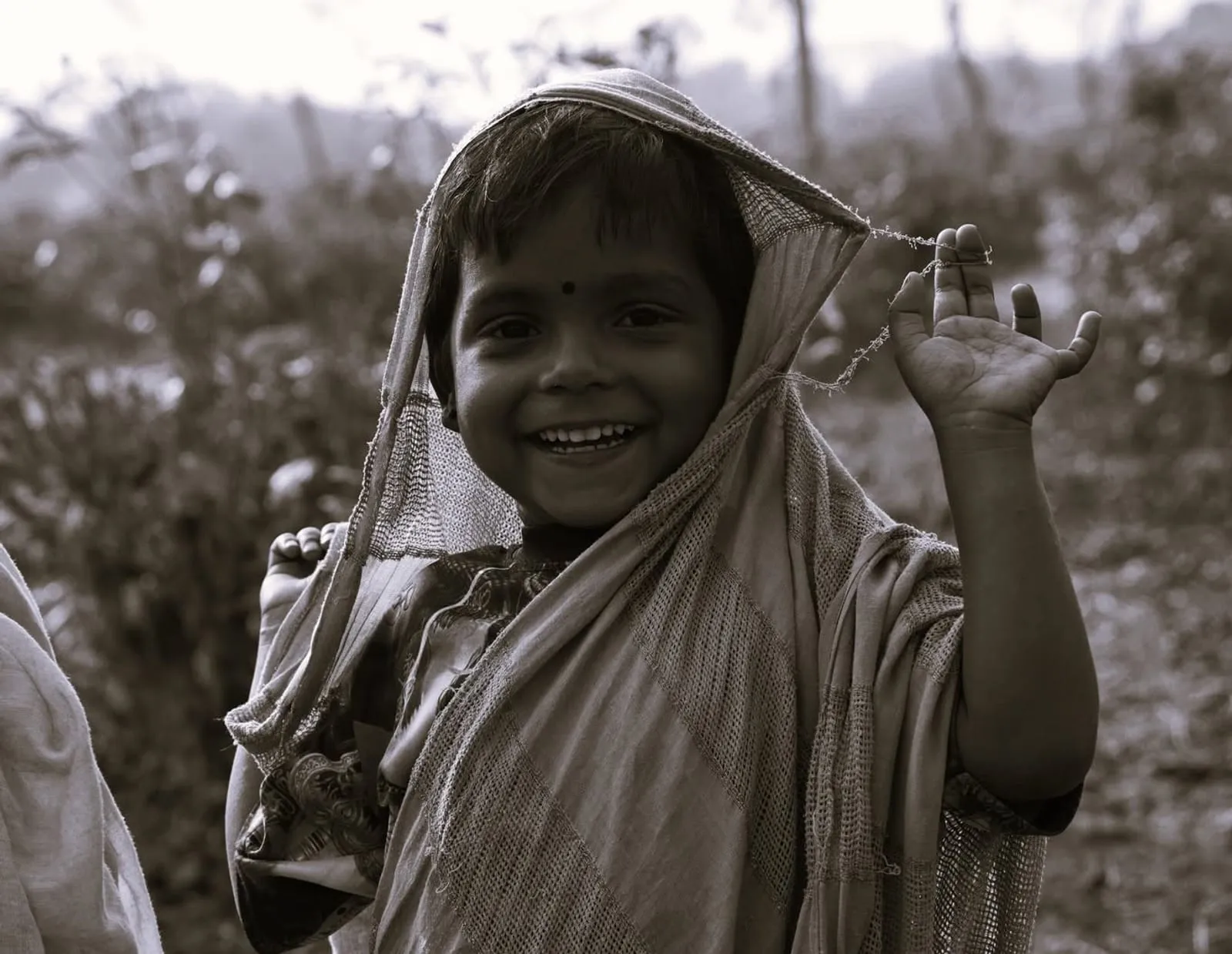
January 26, 2026
Salman A Rahman, Founder & President, HITH Foundation
Author: Salman A Rahman, Founder & President, HITH Foundation January 25th 2026 There is something disarming about a smile that has not yet learned what it must survive. Hands small enough to wave at the [...]
Read StoryOur answer is Dreams & Ink, an education initiative built to connect these children to the wider world, so they can learn, stay, and become self-sufficient.